
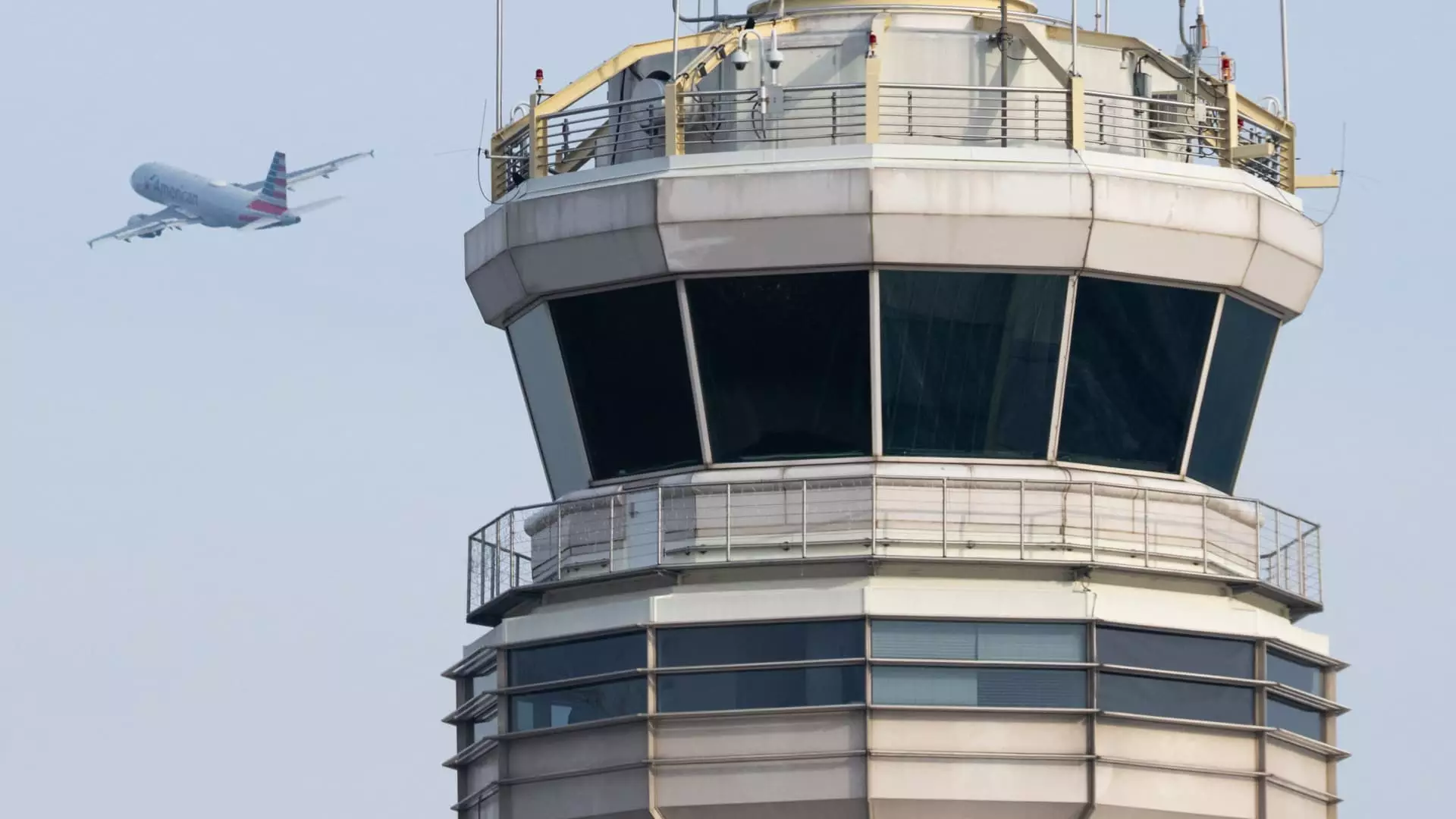
In a bold assertion made last Thursday, Elon Musk announced that he would be sending Starlink satellite internet terminals to the Federal Aviation Administration (FAA). This statement arrived amid claims that existing technology could endanger air travel. Musk, the controversial billionaire who also has a significant advisory role within the Trump administration, released these statements on his social media platform, X, but failed to provide substantiating evidence backing his claims. While Musk’s assertions have certainly stirred the pot, they have also sparked a robust discussion within the aviation sector, leading to responses from major airlines and regulatory bodies.
Executives from leading airlines quickly rejected Musk’s claims, asserting there is no tangible danger posed by the current systems overseen by the FAA. In contrast to Musk’s sensationalized viewpoint, industry professionals emphasized that regulatory authorities have ongoing frameworks in place to ensure safety. The FAA, which oversees Musk’s own SpaceX operations, has tested Starlink technology in various locations, including Alaska and Atlantic City, New Jersey. The agency’s plans to evaluate Starlink raise questions about the necessity and efficacy of Musk’s interjections into the conversation surrounding air safety.
Adding to the complexity of the situation, it was reported that the FAA may be on the verge of terminating its contract with Verizon for advanced communication technology, potentially pivoting towards Musk’s Starlink. Musk condemned Verizon’s air traffic control communication technology as deteriorating, but later rectified his comments to place the blame on L3Harris, the contractor responsible for the existing system. An interesting dynamic emerges here: while Musk seeks to promote Starlink as a panacea for air traffic control issues, Verizon is actively working on revamping outdated infrastructure.
The political undertones of Musk’s claims cannot be overlooked. Democratic lawmakers have articulated concerns regarding Musk’s dual roles as CEO of SpaceX and as a key figure in the Trump administration. Lawmakers like Senator Ed Markey have raised red flags about potential conflicts of interest, questioning the ethics of Musk providing technology to a regulatory body that he has substantial political ties with. Public discourse in recent weeks has centered on whether Musk’s motivations are genuinely aimed at advancing air travel safety or if they carry a tint of self-interest.
Furthermore, the absence of transparency regarding the recent layoffs at the FAA—particularly since hundreds of employees were let go under the Trump administration—has added fuel to these concerns. Questions abound regarding the efficacy and safety ramifications of reducing staff in a vital organization tasked with maintaining air safety and operational stability. Senator Tammy Duckworth, among others, has expressed desires for answers about how such reductions could impact the FAA’s capabilities and overall safety.
The Push for Modernization in Air Traffic Control
The aviation sector has long advocated for an upgrade to air traffic control systems. Major airlines have consistently pointed to outdated technologies as significant contributors to flight delays and inefficiencies, which can burden both consumers and service providers. In light of the toll taken on air travel during the pandemic, airlines are now pushing for urgent modernization efforts. The statement from Airlines for America reflects this desire, emphasizing that while airlines have made substantial investments into technology, governmental bodies must do the same to keep pace.
What’s particularly alarming is that Musk’s claims about air travel safety come at a time when the recent fatal collision involving an American Airlines regional jet and a military helicopter has heightened sensitivity to aviation safety concerns. The tragedy, which resulted in 67 fatalities, has abruptly interrupted what had been an unprecedented record of safety in U.S. aviation since 2009. As a result, various industry groups and unions have called for “emergency funding” to expedite necessary updates to air traffic control systems and ensure the safety of travelers.
Musk’s inflammatory statements undoubtedly add a layer of complexity to an already fraught discussion. While the urgency for modernization in air travel systems is clear, unsubstantiated claims can sometimes detract from constructive dialogue. An evidence-based approach grounded in collaboration among industry stakeholders is essential for ensuring air travel safety and efficiency moving forward. As the aviation landscape continues to evolve, the necessity to transcend sensationalized narratives in favor of meaningful conversations about safety and innovation will be fundamental to maintaining public trust in air travel.

- Best Travel Destinations In November - March 8, 2026
- How Far Can A Tsunami Travel - March 8, 2026
- Bible Verses For Safe Travel - March 8, 2026
Leave a Reply