

How Far Can A Tsunami Travel? All Your Questions Answered
If you’ve ever seen videos of tsunamis or read stories about giant waves crossing the ocean, you might wonder how far these waves can actually go. Tsunamis are some of the most powerful natural forces on Earth, and their ability to travel incredible distances is something that always amazes me. This guide covers practical info about how far tsunamis travel, how long they last, and what really happens when one crosses an ocean. We’ll jump into the science, real examples, and what makes these events so intense, plus give you extra facts that may just surprise you.
Understanding Tsunamis
What Exactly Is a Tsunami?
A tsunami is a series of waves caused by sudden movement in the ocean, like an underwater earthquake, volcanic eruption, or even a large landslide. The word “tsunami” comes from Japanese and means “harbor wave,” which makes sense, since this is where their impact is often most dramatic. Unlike regular winddriven waves, tsunamis can move entire columns of water from the seafloor up to the surface, and they travel at high speeds across the open ocean.
How Do Tsunamis Start?
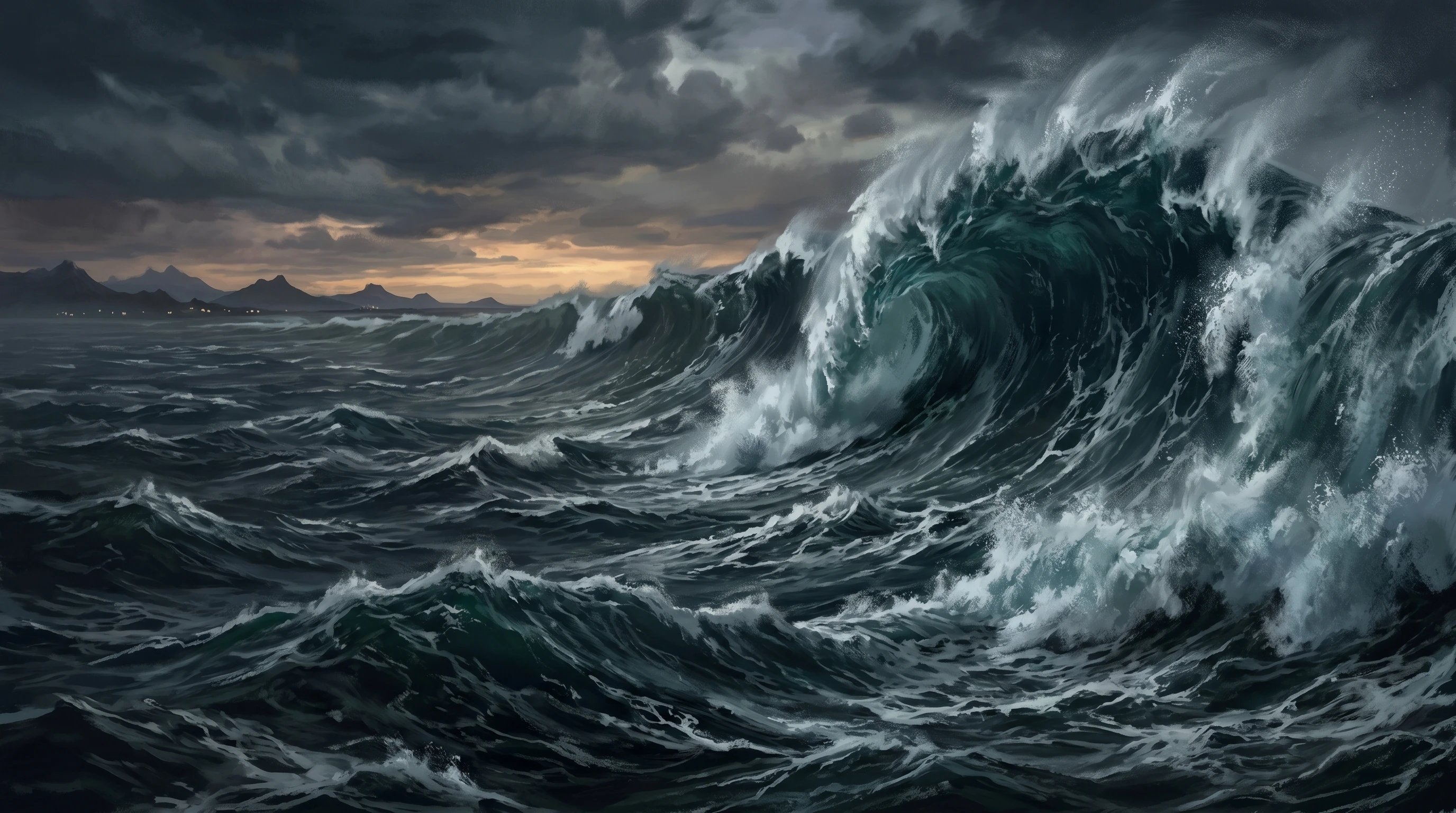
The most common trigger for a tsunami is an earthquake that happens underwater. If the sea floor moves suddenly, it pushes massive amounts of water and creates those powerful, fastmoving waves. It takes a lot of energy to create a tsunami, so not every underwater earthquake causes one. Volcanic eruptions and even meteorite impacts can set off these waves too, though it’s less common.
Interestingly, when scientists dig into tsunami records, they find that some of the most intense tsunamis in history came from unexpected sources. For instance, landslides after volcanic eruptions can create towering tsunamis in certain regions, such as Alaska or the Canary Islands. These examples remind us of the broad range of causes for these nextlevel cool waves.
Travel Distance of Tsunamis
How Far Can a Tsunami Really Travel?
This is where things get pretty wild. Tsunamis are known for crossing entire oceans without losing much energy, and some have even traveled over 10,000 kilometers (that’s more than 6,200 miles). For example, after the massive 1960 Chile earthquake, tsunami waves made it all the way across the Pacific Ocean, hitting places like Japan and New Zealand. In the open ocean, the waves are long and low, almost impossible to notice from a passing ship. They pack a punch when they reach the shore. Other famous tsunamis, such as the 2004 Indian Ocean event, were tracked all around the world.
What Lets Tsunamis Travel So Far?
Tsunamis are different from normal waves that just move the surface of the ocean. Instead, a tsunami moves water all the way from the seabed to the surface and carries much more energy. That’s why tsunamis keep going for massive distances and can even circle the globe more than once before fading out. The deep open ocean also helps tsunamis lose less energy, so they can travel huge distances without breaking up.
Are There Tsunamis That Didn’t Travel Far?
Definitely. Sometimes tsunamis happen close to the coast and reach land within minutes, never really traveling far. Others might lose steam if they cross island chains or shallow waters that break up their energy. But the biggest ones, especially those triggered by large earthquakes, are known for making transoceanic rides.
Tsunamis can also vary based on what they run into. Coastal geography, underwater ridges, and ocean depth each shape how long and how far a tsunami will go. This is why scientists work hard to model tsunami travel so they can give a heads up to at-risk areas.
Speed and Timing of Tsunamis
How Fast Do Tsunamis Move?
In really deep ocean water, tsunamis can travel as fast as 800 km/h (roughly 500 mph). That’s about the speed of a jet airplane. As the waves get closer to shore and the water gets shallower, they slow down but grow much taller and more dangerous.
How Long Does It Take for a Tsunami to Reach Distant Shores?
Tsunamis can cross entire oceans in just a few hours. If a tsunami starts off the coast of South America, it can reach Japan in less than a full day. Tsunami warning networks take this into account and send out alerts so people in faraway places have time to prepare. There have even been cases where distant coastlines got waves over 20 hours after the initial event, thanks to the waves circling the globe.
The quick movement of tsunamis is partly what makes them so dangerous. Even places far from the epicenter need to stay sharp and pay attention to official warnings. Scientists use buoys placed around the world to keep an eye out for these traveling waves and get the word out quickly.
Impact and Effects
How Big Are Tsunamis When They Arrive?
Out in the middle of the ocean, a tsunami might only be a meter tall or less, but it’s really long, sometimes hundreds of kilometers from crest to crest. When that same wave comes near shore, it piles up, sometimes reaching heights of 10 meters (about 33 feet) or even more, depending on the shape of the coastline and how much energy the tsunami carries.
What Happens As Tsunamis Travel?
Every tsunami changes as it moves, depending on water depth, the ocean floor, and islands or coastal features in its path. Waves can bounce off underwater mountains or wrap around islands, changing their path and size. That’s why predicting exactly which areas will get hit hardest is tricky. Sometimes, a place might seem safe but ends up receiving the strongest surge due to the way the waves bend or reflect in the ocean.
Wave impact can also be affected by tides, weather, and even manmade structures along a coast. Preparedness and listening to authorities can save lives no matter how far a tsunami has traveled before arriving.
Frequently Asked Questions About Tsunami Travel
Can Tsunamis Travel Around the World?
Yes! Large tsunamis have been recorded traveling all the way around the globe. Scientists use ocean buoys and gauges to keep tabs on these long adventures. Some waves, like those from the powerful 2004 Indian Ocean tsunami, were tracked as they moved around the entire planet.
What Stops a Tsunami?
Shallow water and obstacles like islands or coastal shelves slow tsunamis down and use up their energy. Most of the time, they keep moving until they lose all their power, but big underwater ridges or continents can absorb and weaken them faster.
Do Tsunamis Always Hit Land?
Nope. Many tsunamis cross huge parts of the sea and never reach populated coastlines. But even small, far-off tsunamis get watched closely by warning centers to keep people safe just in case. Sometimes, ships in the ocean don’t notice them at all, even as they race by underneath the hull.
Want to Learn More?
If you have more questions about tsunamis, their travel distances, or what makes them work, check out trusted sources like the National Weather Service’s tsunami FAQ or the NOAA Tsunami Center. There’s always something new to stumble upon about how these powerful waves shape our world! Tsunamis might seem rare, but learning more about them can help everyone be more prepared and aware.

- How Far Can A Tsunami Travel? All Your Questions AnsweredIf - May 8, 2026
- How Far Can A Tsunami Travel? All Your Questions AnsweredIf - May 8, 2026
- Best Travel Destinations In November - March 8, 2026
Leave a Reply