
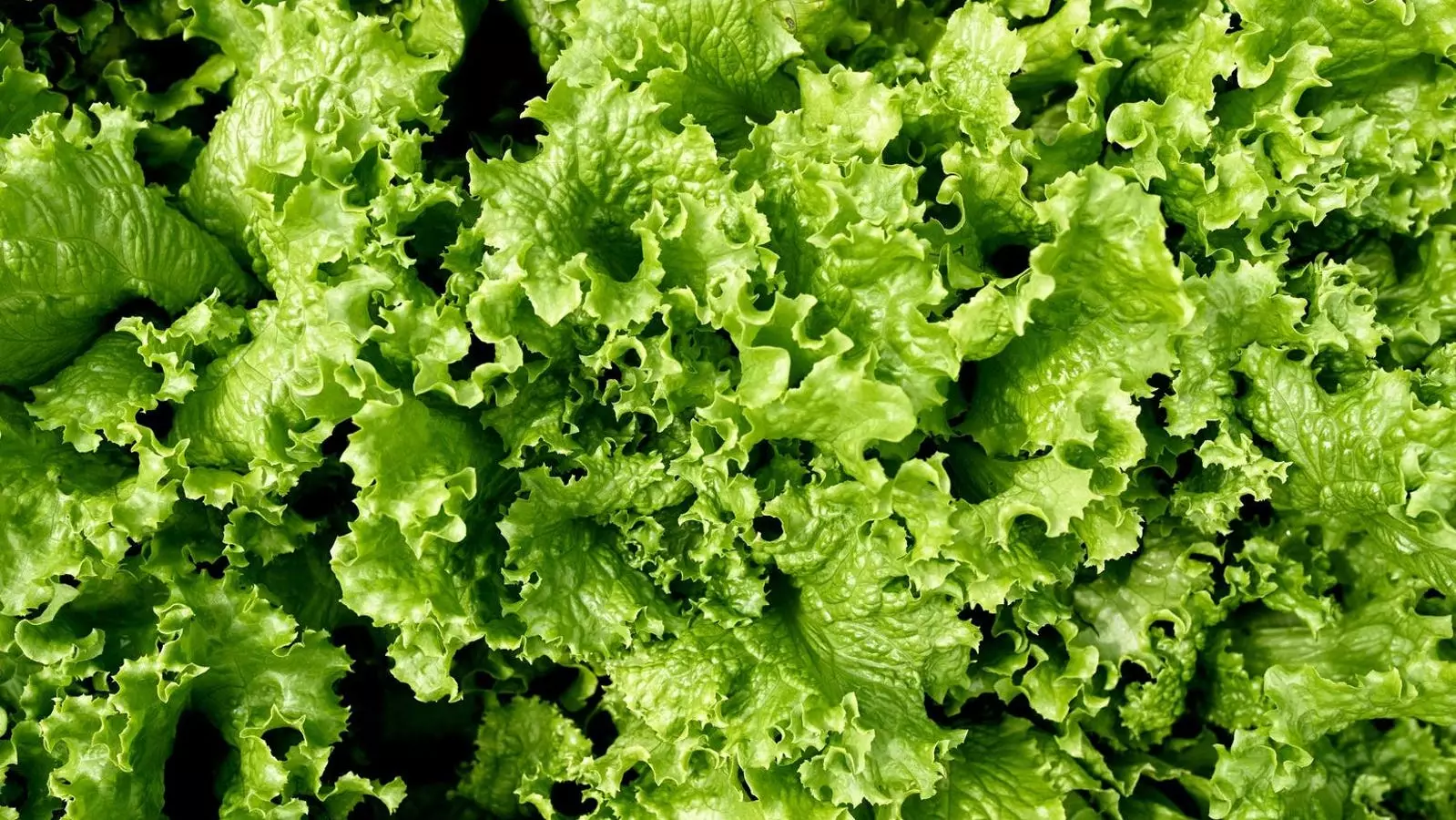
In an unsettling turn of events, a garden salad recall associated with undeclared peanuts has been escalated to a Class I designation by the FDA, which represents the highest threat level due to potential serious health risks, including severe illness or even death. Although the recall process was eventually deemed complete by the FDA, the implications of this incident resonate beyond the immediate affected products. It raises crucial questions about the integrity of food labeling, allergen safety protocols, and the broader consequences of errors in extensive food distribution networks.
The root of the issue lies with FreshPoint Central Florida, a subsidiary of Sysco Corporation—North America’s largest foodservice produce distributor. On January 28, 2025, FreshPoint announced a voluntary recall of its 5 oz Garden Salad after a mislabeling error resulted in the unintentional inclusion of peanuts, a well-known allergen that can provoke life-threatening reactions in sensitive consumers. While only 18 units were distributed, the seriousness of this classification underscores a larger underlying problem within the food distribution system.
Alarmingly High Stakes
What makes this recall particularly alarming is that peanuts are among the most common food allergens, capable of triggering anaphylactic shock in allergic individuals. Indeed, even the slightest exposure can result in a dire situation, leading to swelling of the throat, difficulty breathing, and potential loss of consciousness. The fact that this mislabeling was not anticipated in a garden salad creates heightened concerns regarding consumer expectations and the dire consequences of allergen exposure in unexpected food products.
The FDA’s elevation of this recall to a Class I status emphasizes that consumer safety should never rest on the presumption of labeling accuracy. With FreshPoint operating under Sysco’s expansive distribution network, a single mislabeling mistake can reverberate throughout multiple industries, affecting not only individual consumers but also entire supply chains—restaurants, grocery stores, and institutional food providers alike.
The Dark Side of Mass Distribution
While the issue at hand involved a small quantity of products, it serves as a stark reminder of how easily mislabeling errors can proliferate within mass distribution systems like that of Sysco. The failure to maintain rigorous oversight and quality control measures in such expansive networks can lead to grave consequences for consumers relying on accurate labeling to make informed choices about what they consume.
Furthermore, regulatory bodies like the FDA must grapple with the reality that the recall process was not immune to shortcomings. The absence of a specified termination date for the recall raises further concerns regarding how long contaminated products may have continued circulating in the market, further jeopardizing the safety of unsuspecting consumers.
Escaping Accountability?
As the dust settles on the FreshPoint scandal, questions linger regarding accountability within the culinary industry. Undeclared allergens consistently rank among the leading causes of food recalls in the United States, often stemming from negligent labeling practices during packaging, ingredient substitutions not reflected on labels, or cross-contamination during food processing. Such systemic failings highlight the necessity for stricter enforcement of labeling regulations—especially by influential corporations like Sysco, whose operational scale amplifies the ripple effects of any lapse in quality control.
Food allergies are not just a matter of convenience; they represent a life-or-death struggle for many individuals. Consequently, accurate labeling is not simply a best practice; it’s an essential pillar of consumer trust. This recall necessitates introspection within the industry, urging corporations to bolster their processes in order to prevent such critical missteps.
Trust vs. Contamination: A Broader Narrative
It’s apparent that as we grapple with the risks of food contamination, we must also contend with the vital importance of consumer trust in accurate food labeling. The FreshPoint incident is not an isolated one; it reflects ongoing narratives regarding public confidence in food safety protocols. While the recall might have been resolved, the fundamental questions it raises about labeling accuracy and allergen management must ignite urgent action within the food industry.
How can companies take responsibility for ensuring that such dangerous oversights are eradicated? Enhanced training for staff managing labeling processes, investment in better quality assurance systems, and adopting transparent practices are just a few steps that the industry must consider. Consumer safety hinges on the ability of food distributors to recognize and mitigate these risks before they materialize.
As we continue to face escalating incidents of food recalls tied to undeclared allergens, it becomes clear: the stakes are too high for complacency. The saga of the FreshPoint garden salad recall is a clarion call for all involved in food production and distribution to prioritize consumer safety and hold themselves accountable for their labeling practices. In the end, it is trust—not just compliance—that will ensure the long-term health and safety of our food systems.

- Best Travel Destinations In November - March 8, 2026
- How Far Can A Tsunami Travel - March 8, 2026
- Bible Verses For Safe Travel - March 8, 2026
Leave a Reply