
Navigating Newark Airport has become synonymous with frustration. With reports of significant delays, flight cancellations, and chronic congestion, the airport stands as a central figure in the narrative of air travel woes in the U.S. My family recently embarked on a Memorial Day weekend trip to Orlando, and like many travelers, we braced ourselves for the worst. United Airlines had begun slashing flights to alleviate the chaos, a move that resulted in the cancellation of our initial departure and return plans. As the FAA enforced a temporary cap on Newark flights, I found myself in a daily routine of checking the United app, hoping for a glimmer of good news.
Security Surprise: A Breeze Through the Chaos
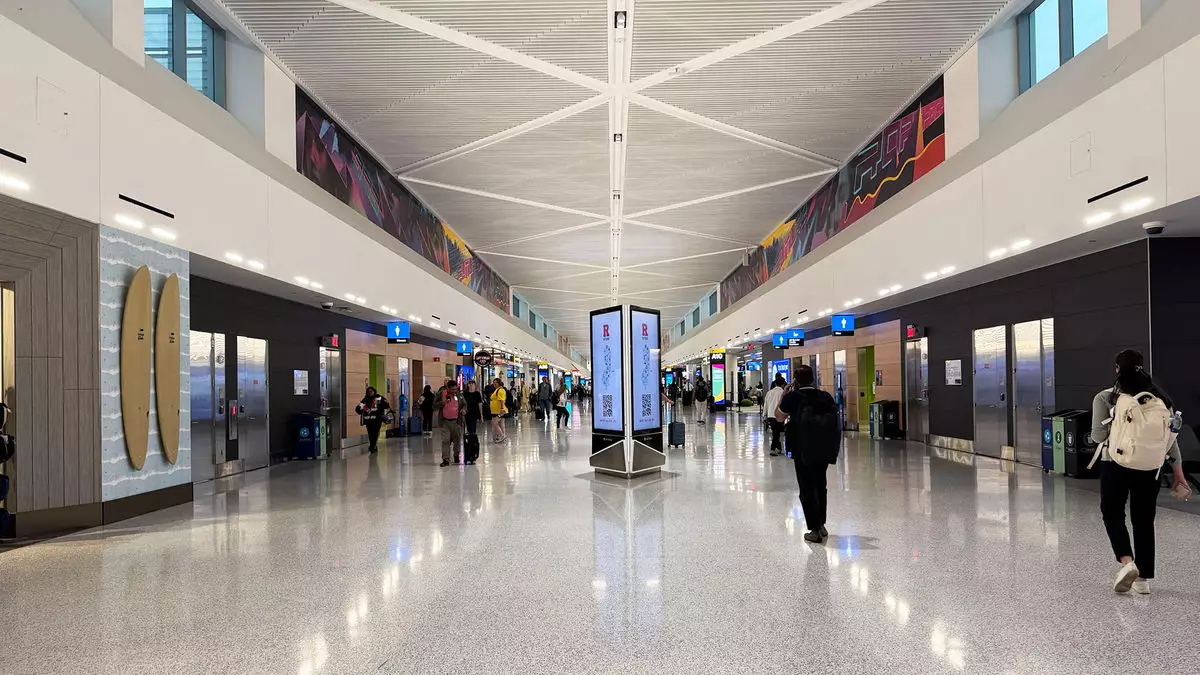
Upon arriving at the airport, we were pleasantly surprised. Despite the dire reputation of Newark, our progression through security felt like a dream. I possess TSA PreCheck—an essential benefit for frequent flyers—but due to our group traveling on separate tickets, I decided to experience the standard security line with my family. To my astonishment, the wait was a mere two to three minutes. The efficiency at which we traversed through security was remarkable, allowing us to reach the concourse in no time. The usual bustle of Newark was replaced by a gratifying sense of calm; in stark contrast to the chaos we anticipated, we found it surprisingly quiet.
Flight Operations: A Smooth Sailing Experience
Our flight boarding went off without a hitch. The usual tedious taxiing didn’t apply to us this time; the aircraft took off shortly after leaving the gate. While it is essential to acknowledge that our experience might have been a one-off due to lighter passenger loads or a fortuitous weather forecast, it nonetheless felt like an anomaly in a sea of predictable stress. The reality is that Newark’s operations depend heavily on an unpredictable mix of air traffic control decisions and runway repairs. Today, however, we understood that fleeting moments of efficiency can occur even in the most beleaguered contexts.
The Return Journey: A Surprising Outcome
Our return to Newark, however, was decidedly more crowded. The flight was oversold, with a United gate agent attempting to draw passengers into switching flights by offering $700 in credits. Competing with the bustle, we chose to stick to our original plan and found ourselves arriving in Newark ahead of schedule. It was at this moment we realized that while Newark’s reputation precedes it, our singular experience soared above expected inconveniences. As we deplaned in Terminal A around 6:30 p.m., the atmosphere felt remarkably manageable. The concourse was less crowded than anticipated, and I immediately seized the opportunity to check security wait times, which were under five minutes.
Merchant Trails: The Economic Impact of Flight Cuts
While it’s thrilling to recount a seamless travel experience, it’s vital to consider the broader implications of staggering airport operations. United’s necessary flight cuts may have alleviated some congestion, but they also came with repercussions for concessions and merchants in the terminal, whose fortunes are directly tied to passenger volume. A bustling airport is not just a transit point; it’s an ecosystem. I often ponder how many local businesses grapple with reduced revenue, weighing the trade-offs between efficiency and economic vitality. The joys of smooth travel should not overshadow the plight of those who depend on a busy airport for their livelihood. The story of Newark Airport thus transforms from a tale of frustration to a nuanced discussion of balance—an intriguing intersection of personal convenience and broader economic realities.

- Best Travel Destinations In November - March 8, 2026
- How Far Can A Tsunami Travel - March 8, 2026
- Bible Verses For Safe Travel - March 8, 2026
Leave a Reply