
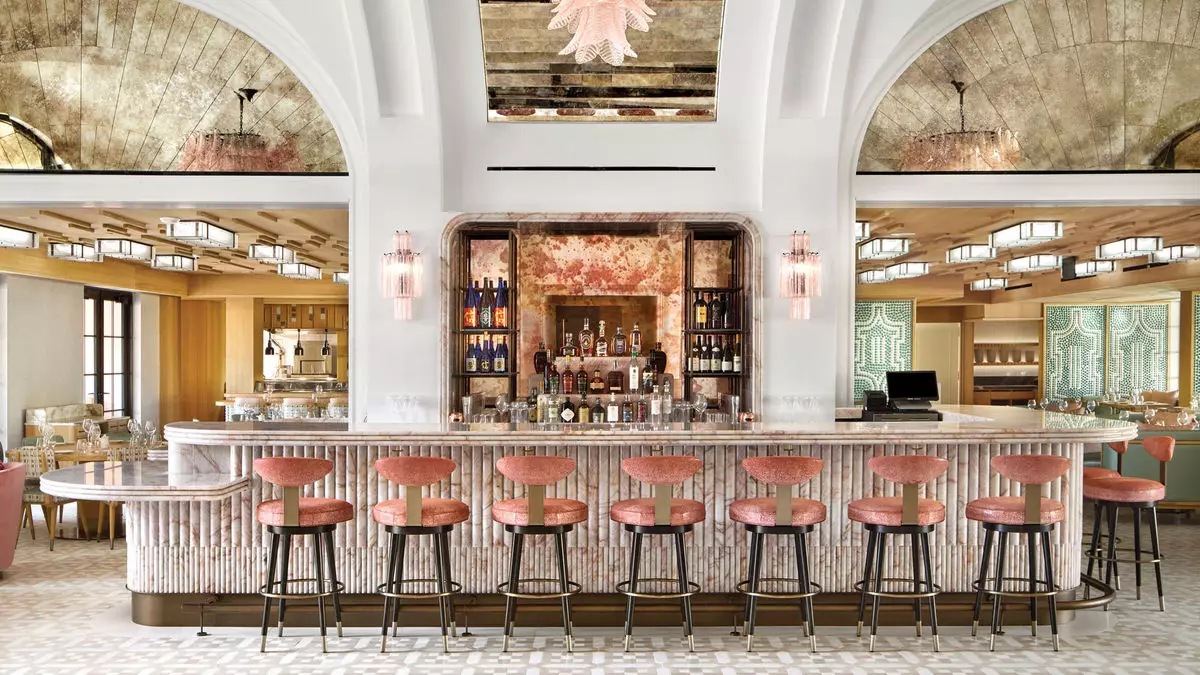
In the world of tourism, the intersection of politics and leisure can yield surprising results. One vivid example is witnessed in Palm Beach County, Florida, where the frequent presence of President Donald Trump at his Mar-a-Lago estate is igniting a remarkable transformation in the local tourism landscape. Dubbed the “Trump bump,” this phenomenon is not merely a fleeting moment; it is reshaping how visitors perceive and experience this coastal haven. Recent data reflects a significant surge in hotel performance metrics, drawing attention from travelers near and far.
According to CoStar data, Palm Beach County recorded a notable 17% increase in Revenue Per Available Room (RevPAR) this January, setting a new benchmark by eclipsing the traditionally robust Miami-Dade market. The RevPAR in Palm Beach County reached approximately $239 compared to Miami-Dade’s $203. Furthermore, the Average Daily Rate (ADR) rose over 7% to $313, highlighting the destination’s rising prestige and desirability among tourists. Such growth signifies not only the area’s newfound status in the tourism hierarchy but also illuminates the power dynamics at play when influential figures choose a locale as their retreat.
Importantly, the burgeoning tourism sector in Palm Beach County extends well beyond accommodations. As Peter Ricci, director of the hospitality and tourism management program at Florida Atlantic University, aptly pointed out, it’s a collective boom benefiting various industries—from retail to auto rentals. This holistic uplift hints at the interconnectedness of tourism-centric economics; when one sector thrives, others inevitably follow. The 32-room White Elephant Palm Beach stands as a testament to this trend. Bettina Landt, the hotel’s managing director, expressed her excitement for both January and forthcoming months, indicating a healthy resurgence in luxury travel.
The “Trump bump” has intensified an already upward trajectory for Palm Beach County, which, according to Milton Segarra of Discover The Palm Beaches, recorded nearly 10 million visitors in 2024—a nearly 5% increase from the previous year. This rise can be attributed not solely to the President’s influence but also to strategic marketing efforts. The destination marketing organization (DMO) is diligently diversifying its visitor base, successfully tapping into new markets like Texas, while ensuring established connections with traditional feeder markets like New York and Boston remain intact.
However, the path to continued growth is not without its hurdles. Canada’s position as the leading international market for Palm Beach County is now facing slight turbulence, thanks in part to geopolitical tensions. Recent tariff threats from the U.S. administration led Canadian Prime Minister Justin Trudeau to promote domestic tourism instead. As a result, there are signs of a diminutive decline in Canadian visitors. Segarra underscored the need for proactive measures, revealing plans for the DMO to engage Canadian audiences directly. Maintaining this relationship is critical, as international travelers contribute significantly to the region’s charm and economic strength.
The conclusion of Trump’s second term brings a wave of uncertainty. However, survey data preceding the 2024 elections reveal an optimistic sentiment among both Republican and Democratic travelers. This bipartisan appeal is a stronghold for the Palm Beaches, ensuring continued attraction across political lines.
As Palm Beach County navigates its current challenges, it simultaneously experiences heightened investment activity within its hospitality sector. High-profile acquisitions, such as Oracle founder Larry Ellison’s purchase of the Eau Palm Beach Resort & Spa, spotlight the area’s burgeoning reputation among elite investors seeking lucrative opportunities. Furthermore, the introduction of luxury establishments like London’s Iconic Luxury Hotels’ Palm House and the Oetker Collection’s first U.S. venture signifies the area’s commitment to upscale tourism.
Exciting developments are not limited to Palm Beach itself. West Palm Beach is emerging as a significant player in this narrative, enriching the local landscape with a diverse range of upscale dining options and entertainment venues. Nurturing mixed-use projects like the Nora District exemplifies the region’s progressive approach to tourism development, creating an enticing environment for affluent travelers.
With an inventory of around 20,000 hotel rooms and thousands of additional vacation rentals, Palm Beach County is poised for growth, with estimates suggesting the addition of up to 2,500 new rooms in coming years. This forward momentum reflects not only a dedication to accommodating increased demand but also a vision for maintaining Palm Beach County’s stature as a premier travel destination in a rapidly evolving landscape. As the Trump bump continues to redefine the area, its tourism sector seems well-prepared to embrace the future.

- Best Travel Destinations In November - March 8, 2026
- How Far Can A Tsunami Travel - March 8, 2026
- Bible Verses For Safe Travel - March 8, 2026
Leave a Reply