
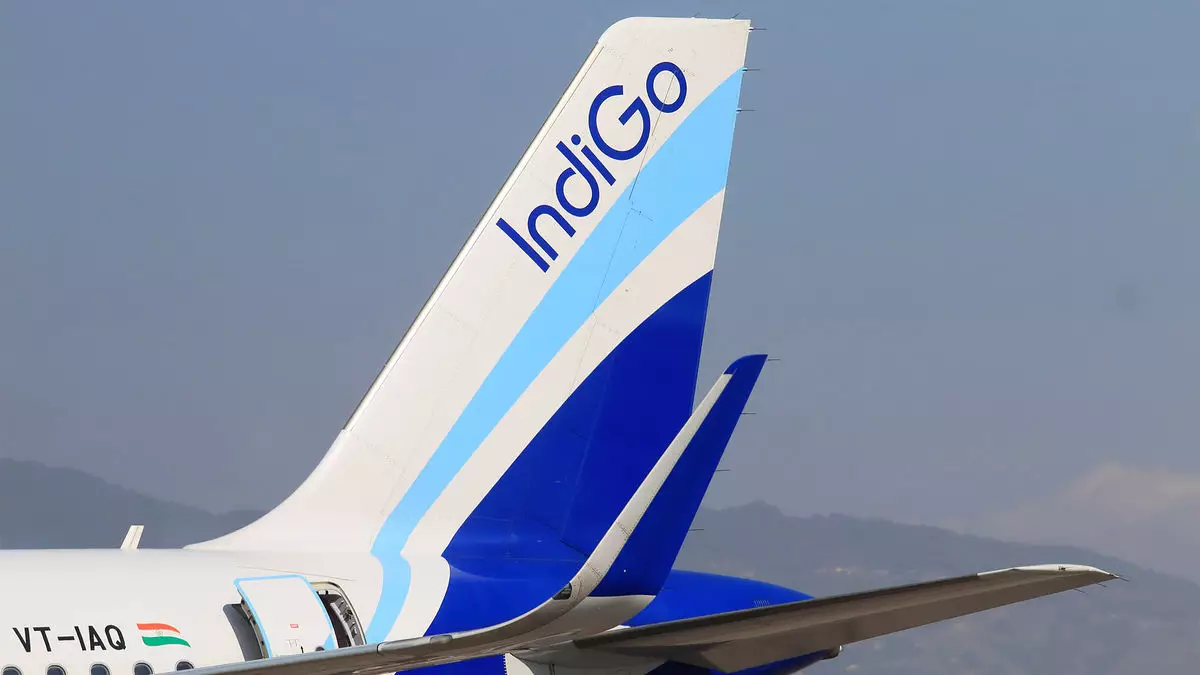
IndiGo, a powerhouse in the Indian aviation landscape, has decided to broaden its horizons by embarking on international codeshare partnerships with significant players like Delta, KLM, and Virgin Atlantic. This strategic move marks a pivotal turning point for the airline, which has long established its dominance in the domestic market. As the largest airline in India, IndiGo has excelled at connecting travelers across its extensive network of 91 domestic routes, but this new endeavor indicates its readiness to step onto the global stage. The partnerships, albeit initially limited, symbolize IndiGo’s aspirations for greater integration within the transatlantic joint venture that includes Delta, Virgin Atlantic, and Air France-KLM.
At a recent press conference, IndiGo CEO Pieter Elbers highlighted the immense potential of these partnerships. While the immediate impact might seem incremental, initiating codeshare agreements with established international carriers is critical for IndiGo, as it prepares to enter long-haul markets. The airline aims to capitalize on the operational efficiencies and expanded reach offered by these alliances, fundamentally enhancing its competitive edge in an increasingly globalized travel market.
Long-Haul Ambitions and Market Readiness
The decision to branch out into long-haul flights is a bold move for IndiGo, and it comes with the launch of its inaugural routes to Manchester and Amsterdam. These routes, which originate from major Indian cities like Mumbai, highlight IndiGo’s intention to provide better connectivity between India and key global destinations. However, this growth is not without its challenges. Despite its ambitions, IndiGo acknowledges that it will take time before it can establish a substantial presence in the U.S. market, largely due to the need for regulatory approvals and the delivery of widebody aircraft.
Scheduled to receive its first Airbus A350 aircraft in 2027, IndiGo is making a concerted effort to position itself as a serious contender in international aviation. The anticipated expansion of its fleet from primarily short-haul to long-haul operations will pave the way for increased passenger capacity and service offerings, further challenging the dominance of traditional long-haul carriers. As the airline transitions, it is well aware of the financial investments and logistical hurdles that accompany such drastic growth, yet the outlook remains optimistic.
Adapting to Market Dynamics
With the commercial landscape of aviation undergoing a seismic shift, IndiGo’s entry into codesharing is a response to evolving travel patterns and growing demand. The airline serves as a case study in adaptation; blending traditional operational models with innovative partnerships to become more appealing to travelers eager to bridge the gap between India and the West. Notably, Delta CEO Ed Bastian spoke about the airline’s intentions to re-establish services to India soon, hinting at a potential future joint venture with IndiGo. The growing recognition of India as a significant market contributes to the intrigue surrounding these alliances.
Moreover, the historical context of IndiGo’s journey is essential to understanding its current trajectory. From its roots as a low-cost domestic airline, the cornerstone of its brand identity has always been reliability and affordability. Now, as it gears up for international services, it must preserve these values while embracing the requirements of long-haul service, including enhanced passenger experiences and customer service standards expected in global travel.
The Competitive Landscape and Future Prospects
As IndiGo embarks on this ambitious journey, it finds itself in a fiercely competitive market. Airlines like Emirates, Qatar Airways, and British Airways have long dominated international routes, especially those connecting Asia with North America and Europe. IndiGo must navigate this challenging terrain by leveraging its increasing operational efficiency and customer appeal built over 18 years of service.
The airline’s extensive order book, including a record-breaking 500 narrowbody aircraft ordered in 2023, serves as a testament to its ambitious growth strategy. Such fleet expansion not only equips the airline to tackle the competitive challenges of international travel but also allows it to meet the surging demand from Indian travelers exploring global destinations.
Ultimately, IndiGo’s latest ventures present a blend of opportunity and apprehension. The aviation industry’s recovery from the pandemic, increasing global travel demand, and strategic partnerships position IndiGo uniquely as it transitions from a domestic carrier to an important player on the international stage. The path ahead, while fraught with challenges, is undoubtedly one of immense potential that could redefine the airline and reshape the broader aviation landscape in the coming years.

- Best Travel Destinations In November - March 8, 2026
- How Far Can A Tsunami Travel - March 8, 2026
- Bible Verses For Safe Travel - March 8, 2026
Leave a Reply