
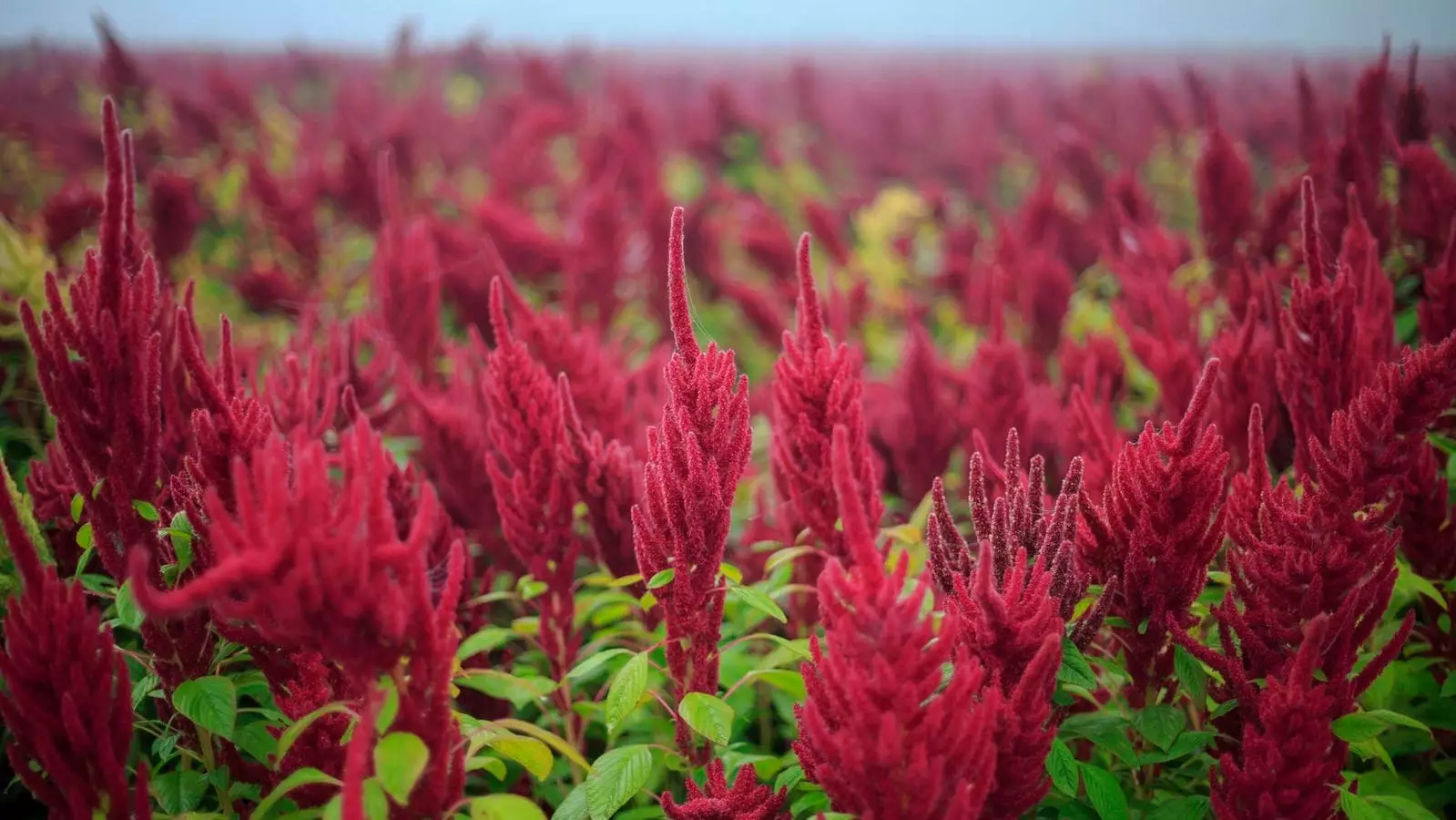
Our global food system, shaped significantly by evolving agricultural practices and demographic demands, is alarmingly reliant on a limited array of crops. A staggering 60% of our plant-based calories and proteins come from just three crops: rice, maize, and wheat, as reported by the United Nations Food and Agriculture Organization (FAO). This is a cause for concern, as biodiversity within crop species is not only critical for our health and nutrition but also crucial for the sustainability of agriculture in the face of climate challenges.
Despite the availability of thousands of edible plants, specific crop varieties are overwhelmingly neglected in our diets. According to experts, the genetic diversity of vegetables is in severe jeopardy, particularly noted in the underrepresentation of African crops. Less than 10% of stored varieties in genebanks are vegetables, raising serious questions about the resilience of our food systems. It is evident that a shift in focus is necessary to ensure that crops from diverse regions, especially Africa, regain their rightful place in our diets and agricultural practices.
Agrobiodiversity refers not only to the variety of species grown within ecosystems but also encompasses the genetic variations within those species. The importance of agrobiodiversity cannot be overstated. A well-diversified agricultural system is more resilient against plant diseases, climate variations, and soil fertility issues. This resilience is urgent, especially in a time when climate change is posing unprecedented threats to food production through natural disasters like droughts and floods.
Maarten van Zonneveld, an authority on genetic resources at the World Vegetable Center, underscores the pressing need to conserve African vegetable biodiversity, particularly to tackle malnutrition. The link between biodiversity and food security is becoming clearer. More diverse diets not only promote better nutrition but also encourage sustainable agricultural practices that can mitigate adverse environmental impacts, ensuring that food systems can withstand future challenges.
There is a silver lining on the horizon in the form of the African Vegetable Biodiversity Rescue Plan, a groundbreaking initiative launched last year during the Africa Food Systems Summit in Kigali, Rwanda. This endeavor is integrated within the broader Vision for Adapted Crops and Soils (VACS) program spearheaded by Dr. Cary Fowler. Spanning a decade from 2025 to 2035, the Rescue Plan aims to amplify investments and attention towards native African crops, which have historically been overlooked.
The World Vegetable Center leads this transformative initiative, advocating for the revival of ‘forgotten’ crop varieties essential for creating more climate-resilient food systems in sub-Saharan Africa. By focusing on biodiversity, this project seeks to address critical issues of hunger and malnutrition while helping farmers access affordable nutrition for their communities. Gabriel Rugalema, an Associate Director General for Africa at the World Vegetable Center, suggests that the plan not only aims to conserve vegetable species but also to unite various stakeholders in safeguarding these invaluable genetic resources.
The emergence of this Rescue Plan offers not only hope for local farmers and communities but also invites global consumers to reconsider their food choices. By integrating ‘opportunity crops’—those crops that are nutrient-dense and resilient to climate change—into our diets, we can create a more sustainable food system that benefits both health and the environment.
Adapting our dietary practices to include a variety of local vegetables and grains, such as fonio or millet, can ignite a transformative change within the broader food system. Not only can we introduce ourselves to new flavors and nutrients, but we also encourage agricultural systems that prioritize diversity and resilience. Supporting local farmers and choosing climate-smart foods is an essential step toward a sustainable future.
The landscape of global agriculture is on the brink of significant change, propelled by initiatives like the African Vegetable Biodiversity Rescue Plan. It is crucial to recognize the importance of diversifying our diets through the rediscovery of underutilized crops. As consumers, advocates, and stakeholders, we must engage actively in this initiative to promote and preserve agrobiodiversity. Fostering an appreciation for indigenous vegetables not only contributes to mitigating malnutrition but also ensures that our food systems are equipped to face the challenges ahead. Let us champion the cause of African vegetable biodiversity and collectively strive to build a resilient and nutritious future.

- Best Travel Destinations In November - March 8, 2026
- How Far Can A Tsunami Travel - March 8, 2026
- Bible Verses For Safe Travel - March 8, 2026
Leave a Reply