
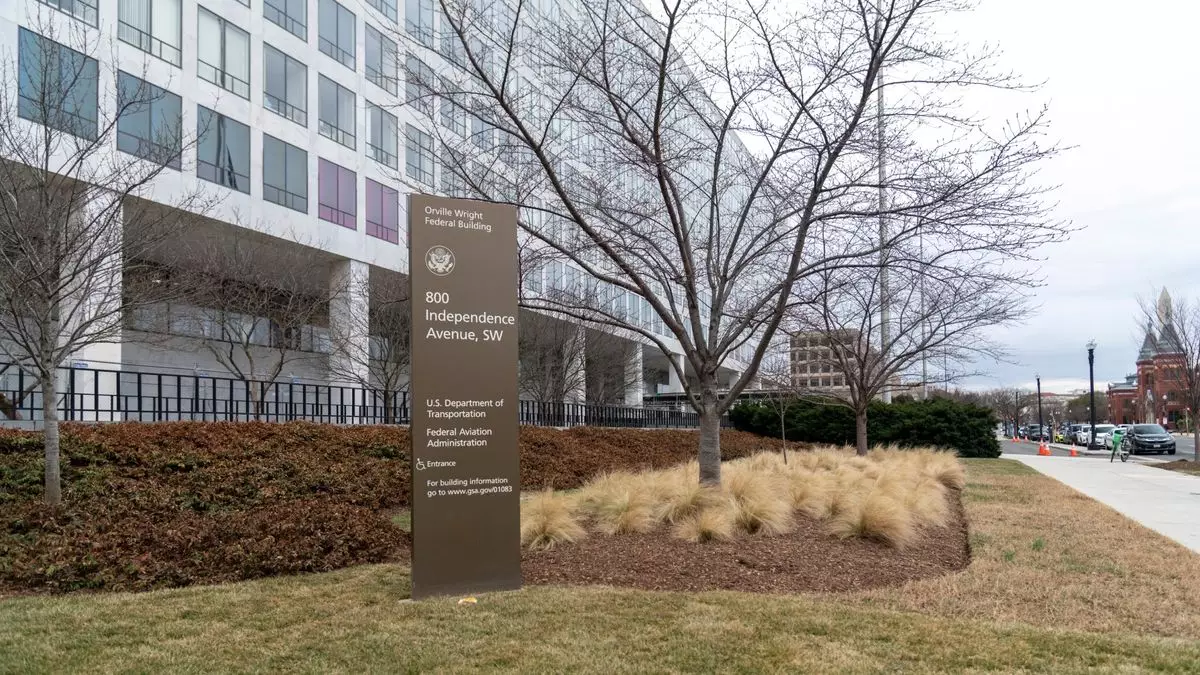
The recent layoffs within the Federal Aviation Administration (FAA) have raised significant concerns regarding both aviation safety and national security. As part of a broader initiative under the Trump administration, the dismissal of several hundred FAA employees, particularly those in crucial roles, has ignited fears about the implications of such decisions. The way these layoffs were executed—primarily targeting probationary workers—along with the ambiguous justifications for the layoffs, has left many questioning the long-term ramifications on the aviation sector and public safety.
On February 14, the FAA initiated abrupt termination notices distributed via late-night emails to a substantial number of probationary workers. The operations that were directly affected include maintenance roles tied to radar, navigation aids, and landing systems. Notably, these dismissals bypassed conventional transparency protocols and raised concerns about the swift execution of such critical reductions. David Spero, the president of the Professional Aviation Safety Specialists union, indicated that these firings may adversely affect overall aviation operations, as these positions are integral to the FAA’s systems.
Transportation Secretary Sean Duffy asserted on social media that fewer than 400 employees were affected and that air traffic controllers and critical safety personnel were spared. However, the distinction of what constitutes “critical safety functions” remains nebulous. A follow-up inquiry suggested that some laid-off employees, particularly those involved with radar systems crucial for national defense could arguably be integral to maintaining secure aviation operations. The uncertain categorization of these roles further complicates the narrative presented by officials.
Diving deeper into the ramifications, some of those terminated were working on the Defense Department-funded early-warning radar system based in Hawaii. This system serves to detect incoming aerial threats, underlining its importance to the nation’s defense against potential attacks. Charles Spitzer-Stadtlander, an affected employee from the FAA’s National Airspace System Defense Program, highlighted the extensive knowledge transfer that typically occurs before such personnel exit the agency, fearing that the layoffs would result in a dangerous knowledge gap.
Spitzer-Stadtlander’s comments reflect a broader anxiety regarding public safety. He emphasized that the personnel let go operate in areas closely aligned with national security and that their sudden removal from the workforce could leave critical vulnerabilities in place. His concerns were not merely anecdotal: they resonate widely with experts in the field who understand that gaps in aviation safety and monitoring can have dire consequences.
The National Air Traffic Controllers Association has commenced its own inquiry into how these layoffs affect aviation safety and operations. The swift terminations raise questions about the FAA’s future capacity to ensure the safety of commercial and private aviation, particularly in an era where air travel is steadily increasing. Without adherence to established safety protocols upheld by professionally trained employees, the risks associated with aviation operations could surge.
In the wake of these terminations, the cohesion within aviation regulatory entities has been called into question. An already stressed workforce, which has navigated unprecedented challenges over recent years, may now face additional hurdles in maintaining safe skies. Factor in the potential loss of experienced personnel during a time when recruitment for skilled workers is undergoing its own challenges, and the situation appears increasingly precarious.
The layoffs additionally expose underlying political and social dynamics affecting public sector employment. Spitzer-Stadtlander’s personal experiences signal the intersection of political views and employment stability within government agencies. The notion that certain employees may have been targeted based on their beliefs or activities outside of work presents a concerning precedent. The existence of anonymous accounts from the “Department of Government Efficiency” that seemingly surveilled employees based on their social media interactions raises issues regarding workplace discrimination and rights.
As noted by White House representatives, the impression given is that such dynamics might not exist, yet this assertion rings hollow when examined against the backdrop of rapid, indiscriminate layoffs undertaken under seemingly arbitrary mandates. The FAA must reassess not only its operational priorities but also the ethical underpinnings of its decisions as they navigate the complex interplay between governance and employee rights.
The impact of the recent FAA layoffs will reverberate through both aviation safety and national security dynamics. As certain roles critical to oversight and national defense are dissolved, there lies a palpable concern for the safety and integrity of the aviation system. An immediate reconceptualization of what constitutes critical roles within the FAA is necessary, as is a reflection on the ethical processes that govern employment decisions. For the sake of both the aviation industry and public safety, stakeholders must advocate for transparency and reconsideration of these strategic choices in pursuit of a secure future.

- Best Travel Destinations In November - March 8, 2026
- How Far Can A Tsunami Travel - March 8, 2026
- Bible Verses For Safe Travel - March 8, 2026
Leave a Reply