
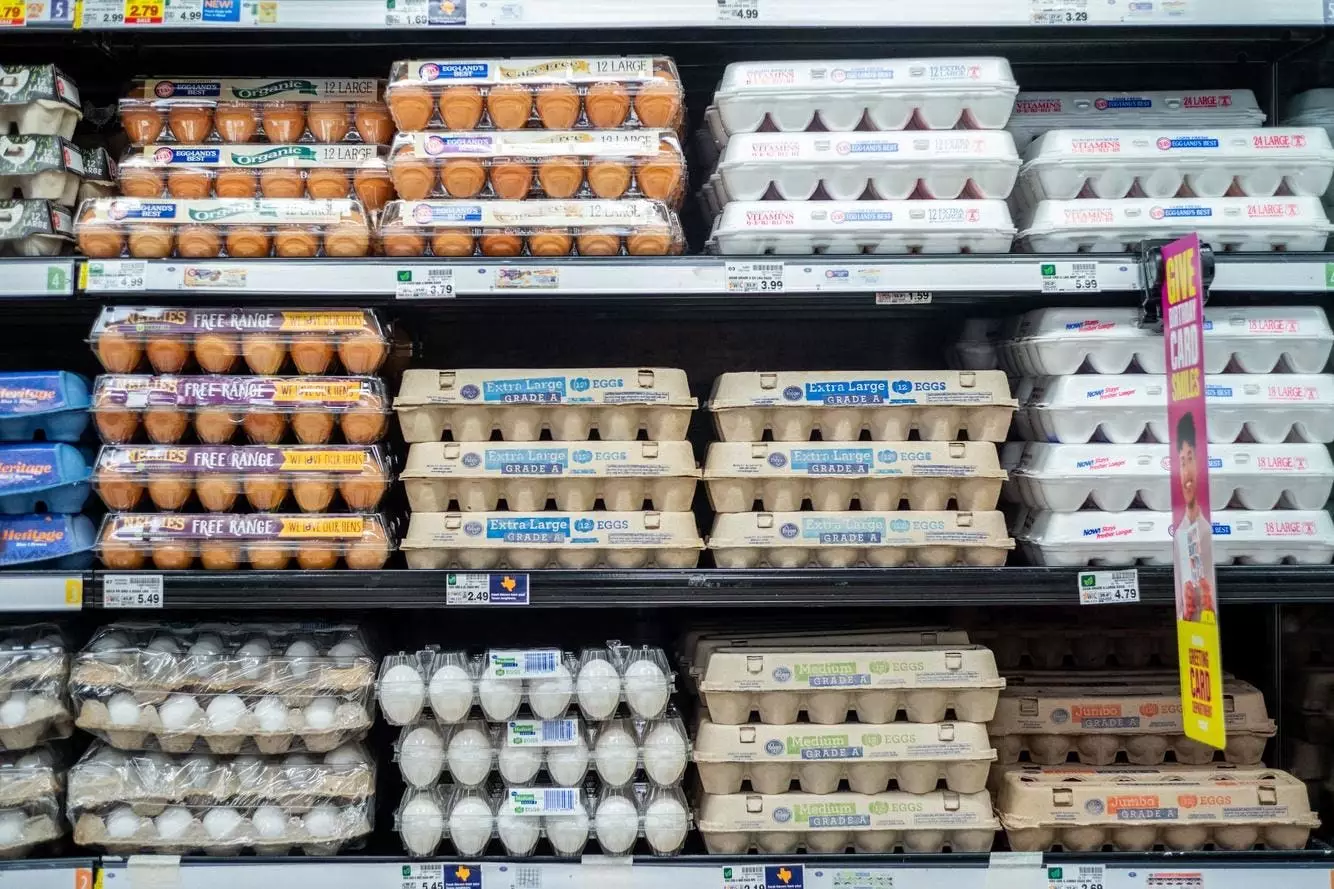
Eggs have traditionally represented a reliable and cost-effective food choice, especially for families across America. However, by 2025, the dynamics surrounding this kitchen staple are undergoing a significant transformation. Influenced by inflation, disrupted supply chains, and shifting consumer behaviors, eggs are no longer the budget-friendly option they once were. Recent reports highlight a staggering increase in egg prices, leading consumers to reconsider their purchasing habits and, by extension, the role of eggs in their daily lives.
The latest Consumer Price Index (CPI) data reveals an unsettling trend: egg prices have skyrocketed by a staggering 53% over the past year. This alarming figure reflects more than mere inflation; it signifies a fundamental shift in consumer expectations and behaviors. The reaction from shoppers has been diverse, ranging from discomfort and frustration to proactive adjustments in buying patterns. Retailers now witness a noticeable shift as a growing percentage of shoppers switch to more affordable store brands or bulk purchases to mitigate the financial burden. Interestingly, a significant portion of the egg-consuming population has opted to eliminate eggs entirely from their diets, experimenting with alternatives such as oatmeal, plant-based substitutes, and dairy products.
The implications of the rising egg prices extend beyond mere economics, influencing the cultural fabric of breakfast choices. Many consumers are pivoting from traditional egg-centric breakfasts to more diverse options including yogurt, grains, and alternative protein sources. This change highlights a shift in how individuals perceive breakfast—no longer is it strictly synonymous with eggs and bacon. Additionally, the situation pushes some individuals towards takeout, evidencing a broader shift in food spending patterns and values.
As consumers grapple with these economic conditions, the notion of priorities comes into play. These inflated prices serve as a barometer for how different segments of the population react to economic challenges. On one hand, some individuals are reducing their consumption; on the other, there are those who are willing to invest more in premium products, showing a preference for organic, free-range, and local eggs. This split demonstrates that despite economic hardship, some consumers continue to prioritize quality over cost.
Current market research reveals intriguing demographic trends regarding egg consumption. Younger consumers, particularly those from Generation Z and Millennials, exhibit a stronger propensity toward higher spending on eggs, viewing them as a crucial component of a balanced diet. Meanwhile, Hispanic and urban demographics show heightened willingness to spend upwards of $5 per dozen, underscoring differing values and economic priorities in these communities. Stores like Walmart, Aldi, and Costco are responding to these shifts effectively, leading the rise of store-brand eggs as a preferred choice among budget-conscious shoppers.
In contrast, different retailers showcase variable consumer price ceilings—Aldi shoppers cap their spending around $3.83, while Albertsons patrons are more inclined to spend over $5.21. These variances illustrate that while eggs have traditionally been seen as a universal staple, consumer perceptions are becoming increasingly nuanced.
The question that arises is whether eggs will inevitably transition from a kitchen essential to a luxury item. This transition is not unprecedented; many staple foods like beef and butter have similarly morphed into premium products as market conditions evolved. There is a genuine possibility that the continuing inflation of egg prices may compel consumers to explore bulk buying or engage with alternative protein sources more frequently. Additionally, this may encourage a sustained growth in the premium segment of the egg market—where organic and pasture-raised eggs gain popularity amongst conscientious buyers.
Furthermore, kitchen habits are likely to adapt, leading to increasing interest in egg-free recipes that creatively substitute traditional ingredients. In this rapidly changing landscape, eggs must contend with their dual identity as both a beloved staple and a high-value commodity.
The landscape of egg consumption is at a critical juncture. The combined effects of inflationary pressures, cultural shifts, and changing consumer values are redefining how we view and integrate eggs into our diets. Whether consumers continue to invest in high-quality eggs or seek alternatives will inevitably influence how this staple is positioned within both our kitchens and our cultural consciousness. As we navigate these changes, it’s clear that our relationship with eggs is anything but static and will require ongoing adaptation and reevaluation in the years to come.

- Best Travel Destinations In November - March 8, 2026
- How Far Can A Tsunami Travel - March 8, 2026
- Bible Verses For Safe Travel - March 8, 2026
Leave a Reply