
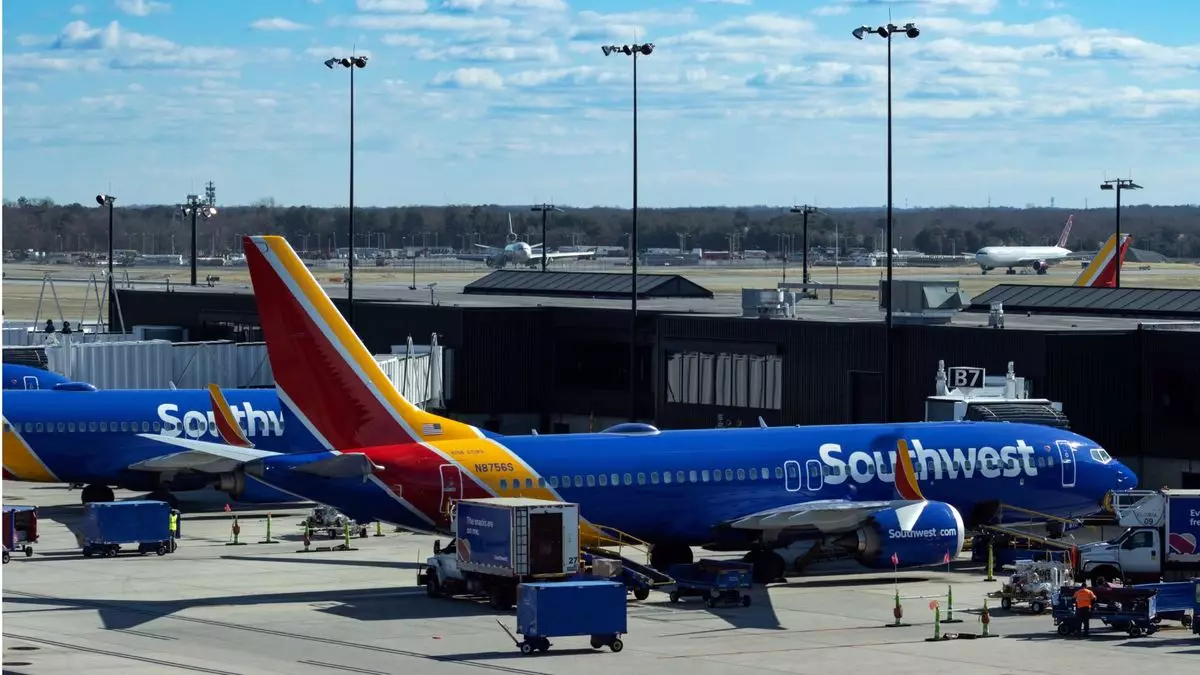
In a notable shift within Southwest Airlines, Ryan Green, the executive vice president and chief transformation officer, has made the decision to step down effective April 1, following a notice given on February 18. Green, who has been with the airline since 2002, played pivotal roles throughout his tenure, including serving as chief commercial officer and chief marketing officer. His departure brings an air of uncertainty to the company, especially considering the strategic transformations that are currently taking shape.
The announcement of Green’s exit coincides with broader organizational changes at Southwest Airlines. The airline is currently navigating through a rough patch, marked by a significant downsizing that will see the elimination of approximately 1,750 corporate positions, representing 15% of its workforce. Notably, this decision is described as unprecedented in the airline’s 53-year history, as communicated by CEO Bob Jordan. The reduction in workforce also claims eleven senior leaders, reflecting the intense pressures for operational efficiency and profitability that the airline faces in today’s market.
Increased Stake by Elliott Investment Management
Adding to this corporate turbulence is an amendment to the company’s cooperation agreement with Elliott Investment Management, which has newly allowed the firm to increase its stake in Southwest Airlines from 14.9% to 19.9%. Elliott’s involvement has been a double-edged sword; while it has pushed for significant changes within the boardroom, including the appointment of new leadership and the forced exit of former CEO Gary Kelly, it also raises scrutiny about the direction of the airline as it contends with internal and external pressures.
As Southwest Airlines prepares to embrace new operational strategies, Green’s departure is expected to reshape its approach towards transformation and stakeholder engagement. This is particularly vital as the airline seeks to rebuild its reputation and deliver consistent customer experiences in a post-pandemic landscape. The dynamics introduced by Elliott’s growing influence may also lead to a board more attuned to aggressive profit-driven strategies, potentially impacting Southwest’s historically customer-centric ethos.
The resignation of Ryan Green comes at a pivotal moment for Southwest Airlines. As the organization tries to redefine its priorities amidst staffing cuts and shareholder pressures, the need for effective leadership has never been more crucial. The confluence of these factors illustrates a critical juncture for the airline; it has the opportunity to pivot towards a model that balances profitability with customer satisfaction in an ever-evolving aviation landscape. Whether the changes will yield positive results or exacerbate existing challenges remains to be seen, but one thing is clear: Southwest Airlines is at a crossroads that will determine its future trajectory in a highly competitive industry.

- Best Travel Destinations In November - March 8, 2026
- How Far Can A Tsunami Travel - March 8, 2026
- Bible Verses For Safe Travel - March 8, 2026
Leave a Reply