
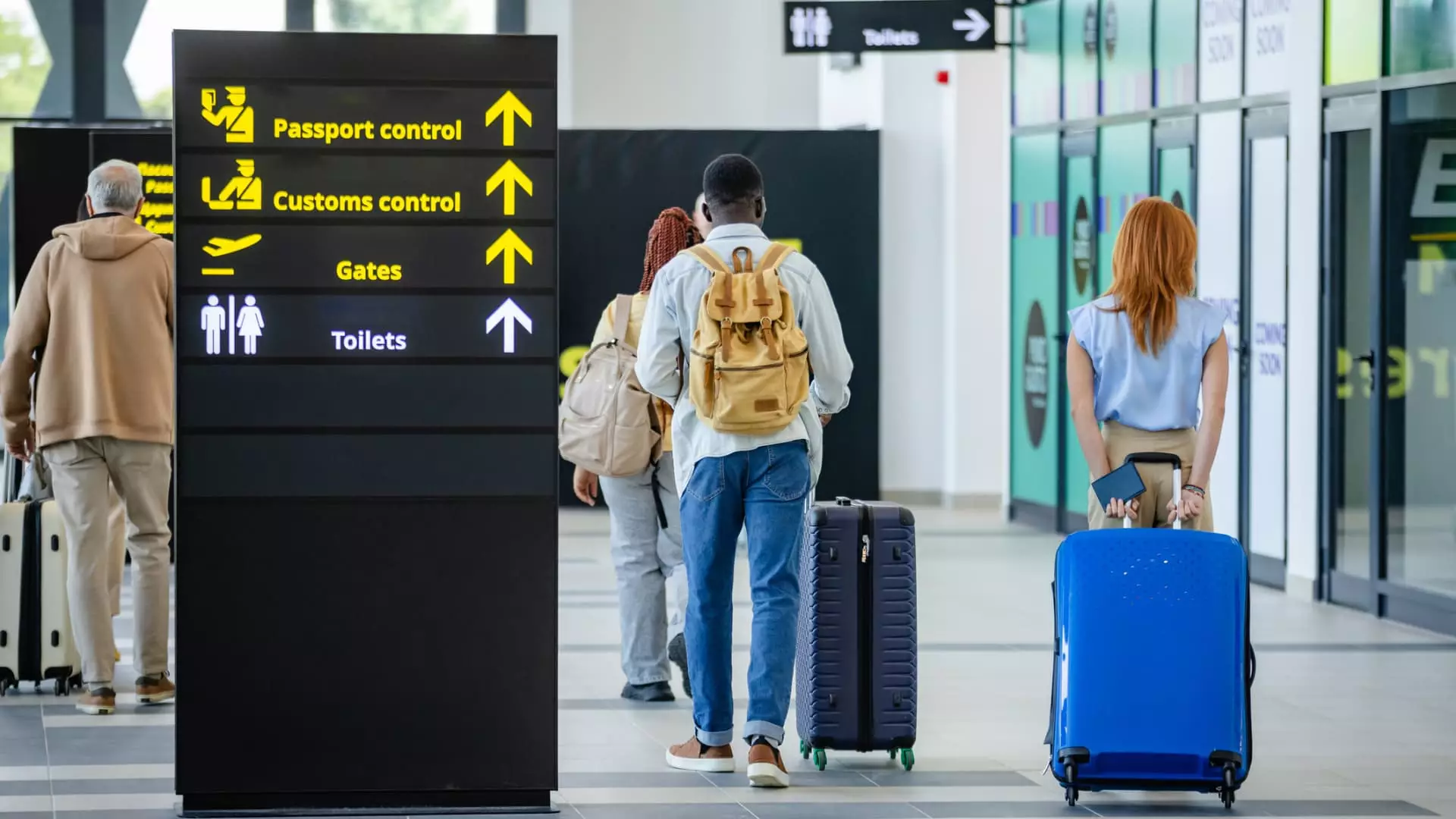
In recent years, the charm of the United States as a premier travel destination has begun to wane, prompting a significant decline in tourist spending. A report from Oxford Economics revealed that spending from international visitors is expected to plummet by a staggering $8.5 billion this year alone. This dramatic decrease is not merely a statistic; it calls into question the broader implications for communities, businesses, and the economy at large. With perceptions regarding trade and immigration policies coloring the views of potential tourists, it becomes imperative to understand what is at stake and what can be done to remedy this growing concern.
The Numbers Tell the Story
The sobering projections indicate a decline of approximately 5% in spending compared to last year. According to Aran Ryan, director of industry studies at Tourism Economics, international arrivals to the U.S. could fall by as much as 9%, revealing a substantial dip in foot traffic. The repercussions of this decline extend beyond statistics; they impact local businesses that heavily rely on tourist dollars. For areas historically teeming with visitors, this downturn translates into reduced prosperity, job losses, and compromised community vibrancy.
Further highlighting the gravity of the situation is the World Travel & Tourism Council’s alarming prediction of a potential loss of $12.5 billion in international tourist spending by 2025. Such figures underline the importance of maintaining a welcoming environment for travelers, suggesting that neglecting this issue could lead to long-lasting detrimental effects on the economy, businesses, and local cultures.
Sentiment-Headwinds: The Role of Perception
One of the most insidious factors influencing declining travel to the U.S. is the “sentiment-headwinds” described by Ryan, stemming largely from the Trump administration’s contentious trade and immigration policies. The perception of a nation can significantly sway travelers’ decisions about where to spend their hard-earned vacations. This has manifested in fewer bookings for flights to the U.S., which were reported to be down 11% year-over-year between May and July of this year. These figures suggest that the allure of foreign destinations may be far more appealing than navigating the perceived risks associated with traveling to America.
Europe and Canada, long-time allies, have seen air bookings tumble by more than 10% and 33%, respectively. It raises an urgent question: What active steps can be taken to change the narrative and restore faith among international travelers? It’s a challenge that demands immediate attention.
The Currency Conundrum
Adding another layer to the problem, experts have pointed out that a strong U.S. dollar serves as a formidable barrier for international visitors, making it increasingly pricey for them to explore the nation’s offerings. Despite recent fluctuations that suggest a weakening dollar relative to other currencies, it continues to be a driving factor leading many potential travelers to reconsider their plans. If the costs outweigh the perceived experiences, then the draw of the U.S. diminishes even further, exacerbating the issues already faced by the tourism sector.
Fostering a Welcoming Environment Amidst Adversity
The burgeoning fears tied to U.S. immigration policies are yet another hurdle that cannot be overlooked. A growing perception of increased detentions, searches, and a lack of hospitality certainly instills fear in potential travelers, as conveyed by Geoff Freeman, the president of the U.S. Travel Association. The notion that a nation is less accessible or welcoming can lead to dire consequences, as potential visitors seek out alternatives that might not carry these fears.
As we move toward 2025, the pre-pandemic metrics of expected growth in international travel now appear less attainable. A projected 9% growth in arrivals and a 16% uptick in spending are now shrouded in uncertainty and skepticism. If a proactive approach is not taken to address these pressing issues, the tourism landscape may continue its downward spiral with lasting repercussions.
Looking Ahead: The Path Forward
The question remains: How can American tourism reclaim its vibrant identity? It starts with rebuilding trust and shifting the narrative surrounding travel to the U.S. This necessitates both a practical reassessment of policies and a commitment to fostering a more inclusive and welcoming atmosphere. Encouraging positive perceptions of the U.S. can spark interest among potential visitors and rejuvenate an industry that is critical to the economy.
In this endeavor, active marketing campaigns that highlight the unique experiences America has to offer can entice international tourists. Collaborating with tourism boards, hospitality sectors, and governmental agencies can forge a united front in restoring the reputation of American travel.
Ultimately, it’s not just about revenue; it’s about reviving the nation’s spirit, enriching cultural exchanges, and fostering global connections. The stakes are high, but the potential for revitalization is even higher, and America must seize this chance to welcome the world back with open arms.

- Best Travel Destinations In November - March 8, 2026
- How Far Can A Tsunami Travel - March 8, 2026
- Bible Verses For Safe Travel - March 8, 2026
Leave a Reply