
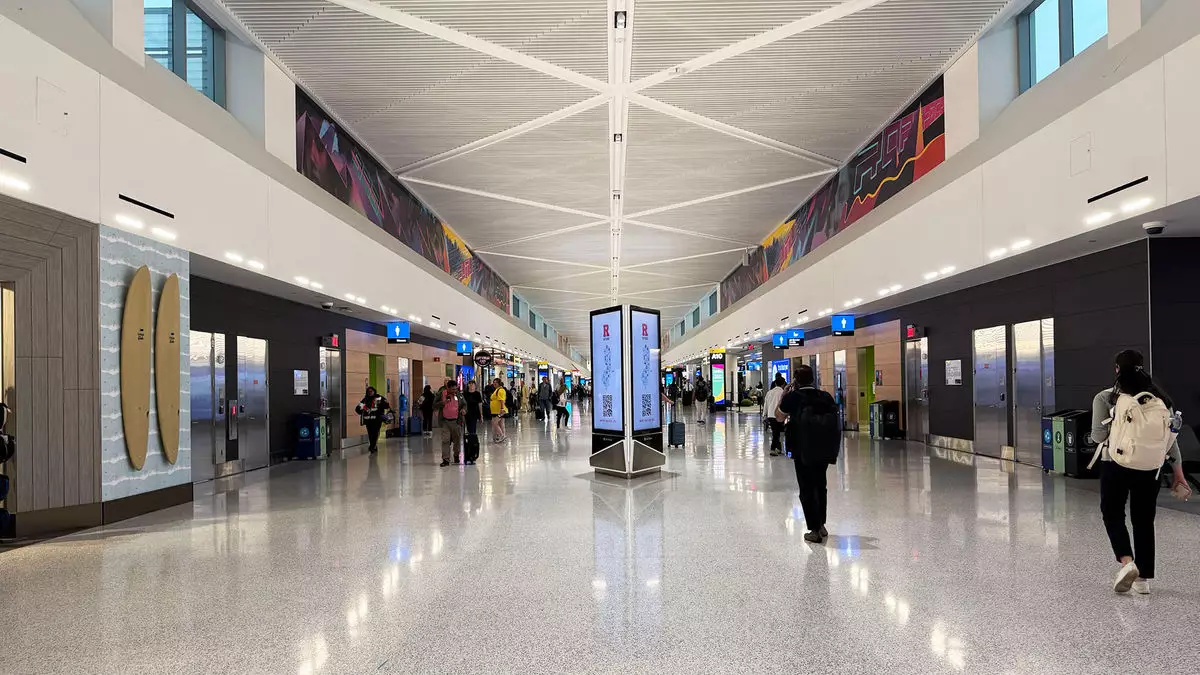
Newark Liberty Airport’s runway 4L-22R has made a remarkable comeback, reopening almost two weeks ahead of schedule. This development is nothing short of a triumph for the Port Authority of New York and New Jersey, which oversees the airport. The runway was shut down for necessary repairs on April 15, limiting operational capacity to just two runways for a substantial period. This reduction didn’t just create inefficiencies; it instigated a chain reaction of flight delays and cancellations, underscoring the vulnerability of air traffic infrastructure to unexpected changes.
The temporary reduction in available runways came at an inconvenient time, as Newark’s air traffic control unit—a facility operationally linked to that in Philadelphia—experienced a significant communication blackout in late April. This unfortunate coincidence compounded the chaos faced by travelers and airlines alike, depicting a scenario few would wish to experience. Amid this turmoil, United Airlines, Newark’s primary carrier, took proactive measures by cutting back its daily flights by 35. The Federal Aviation Administration (FAA) responded to this crisis by ultimately capping the airport operations at an already strained 56 arrivals and departures per hour. These coordinated actions illustrate both the challenge and the responsiveness of stakeholders amid a turbulent operational environment.
Collaborative Measures for Expedited Recovery
In a bid to expedite the runway’s rehabilitation, the Port Authority acted decisively, increasing manpower and extending work shifts to facilitate round-the-clock construction efforts. According to Port Authority Executive Director Rick Cotton, this accelerated approach was a response to the emergent capacity issues faced at Newark. Originally slated for completion by June 15, the runway reopened in record time, offering a glimmer of hope for air travel reliability just in time for the busy summer season. The project came with a price tag of $128 million, which was wisely allocated for critical updates, including milling and repaving the runway, enhancing lighting, installing new underground electrical systems, and significantly improving drainage infrastructure.
These advancements not only address immediate operational challenges but also set the stage for longer-term improvements in the airport’s reliability and efficiency. In an era where air travel is often mired in frustrations and delays, these infrastructural investments represent a proactive step forward for the aviation sector.
Optimistic Outlook for Air Travel
Scott Kirby, CEO of United Airlines, painted an optimistic picture for the upcoming summer travel season during a recent interview held at the Wall Street Journal’s Future of Everything event. With the FAA now managing flight capacities more effectively at Newark, Kirby anticipates that Newark will become “the most reliable” airport among New York’s trio of commercial terminals. This is a calculated claim, buoyed by the fact that Newark experienced its most reliable weekend ever for the Memorial Day holiday, a promising indicator for what lies ahead.
The re-opening of the runway, coupled with a lower flight capacity, means that travelers can expect higher on-time performance rates this summer. Notably, Kirby pointed out that due to a loss in bookings, there would be increased seat availability, making this summer potentially the best time to find affordable flight options in history. “I think people would be surprised at how cheap it’s going to be,” he noted, which is even more encouraging for budget-conscious travelers navigating summer airfare.
A Sustainable Capacity Solution
Looking ahead, Kirby expressed confidence that the FAA’s traffic management improvements would not merely be temporary but would establish a new normal for Newark. While the airline intends to ramp up capacity from 280 to 380 daily flights—down from the pre-pandemic level of approximately 440—this adjustment marks a significant step towards restoring air connectivity while also implementing a more sustainable operational model. This shift not only aims to enhance Newark’s appeal as a travel hub but also serves to stabilize the airline industry’s unpredictable landscape.
Newark Liberty Airport’s proactive solutions to its runway challenges reflect an optimistic trend towards improved travel experiences for passengers. The extensive renovations and innovative operational strategies showcase a commitment to not just recover, but thrive in an often chaotic air travel marketplace. As we gear up for the summer travel season, Newark’s renewed capacity and reliability could very well redefine the operational standards for the region and provide a valuable blueprint for airports nationwide.

- Best Travel Destinations In November - March 8, 2026
- How Far Can A Tsunami Travel - March 8, 2026
- Bible Verses For Safe Travel - March 8, 2026
Leave a Reply