
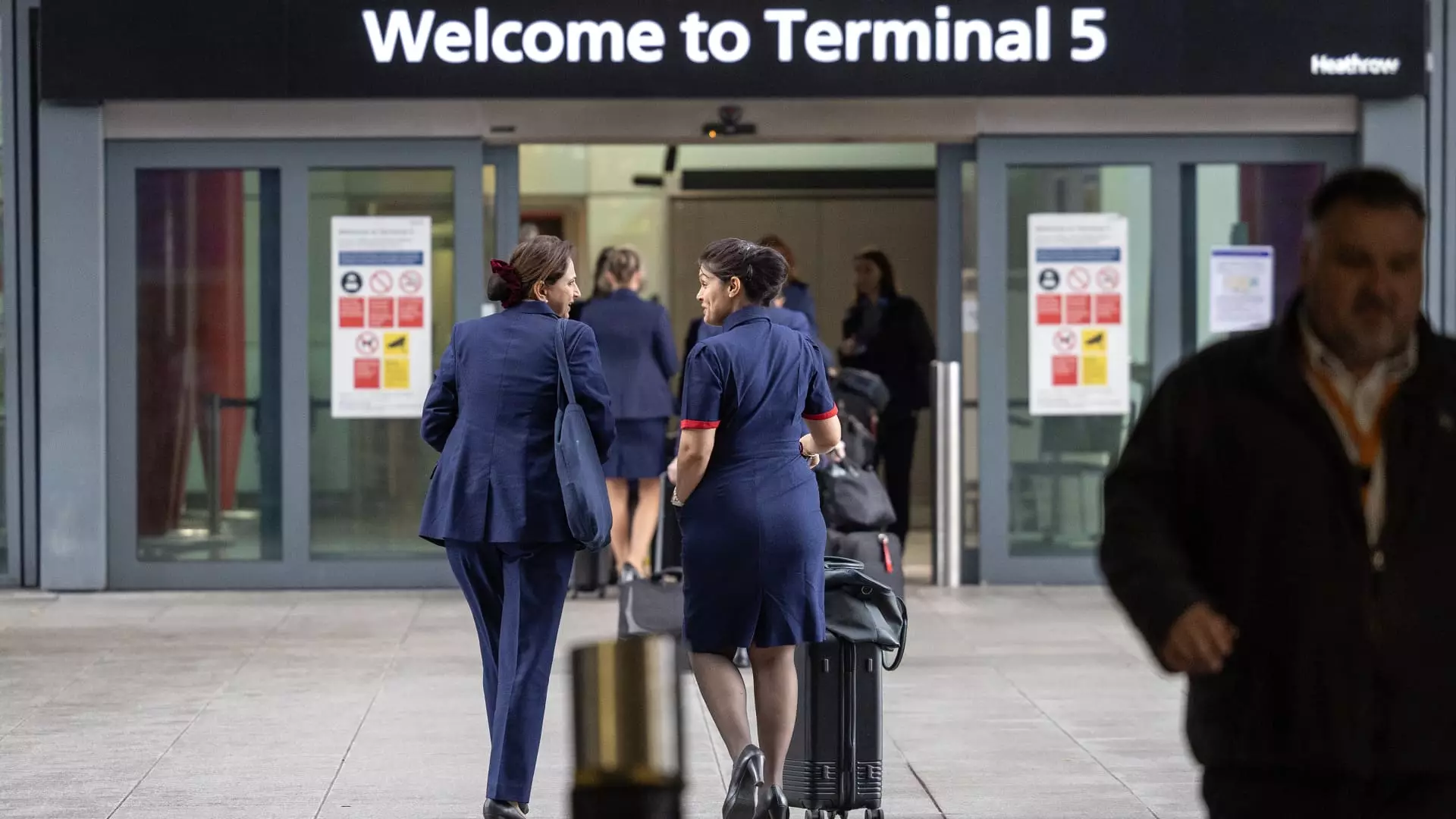
On a seemingly ordinary Friday, London’s Heathrow Airport experienced a significant power outage that left Europe’s busiest airport in disarray. Following a fire at a nearby electrical substation, over 800 flights were canceled, leaving thousands of passengers stranded and prompting urgent questions about the resilience of critical infrastructure systems. While the airport reopened on Saturday, the ramifications of this unexpected disruption exposed not only operational vulnerabilities but also a pressing need for improvements in infrastructure management.
The incident highlights a persistent, often overlooked, challenge facing airports globally: the risk inherent in a centralized power supply system. When service is interrupted, the consequences are felt far beyond the airport perimeter, rippling through airlines, hotels, and businesses that depend on smooth travel. The National Grid has since stated that power had been restored, yet the question lingers—how prepared are airports to cope with such emergencies? The answer seems to be a resounding “not prepared enough.”
Response Strategies and Airline Adaptation
As operations slowly returned to normal at Heathrow, airlines faced the formidable challenge of re-establishing their schedules amid a sea of delays. British Airways, particularly hard hit, declared that over half of its flights had been canceled and expressed cautious optimism about Saturday’s itinerary. With 85% of their operations expected to run as planned, they also recommended passengers check for updates before heading to the airport, underlining the need for transparent communication in crisis management.
Moreover, the airline pledged to offer flexible rebooking options to their customers, an imperative step toward customer care. However, shifting timelines can be a logistical headache for airlines, further exacerbated by a lack of centralized coordination amongst them. With the airport handling about 1,300 takeoffs and landings daily, this kind of operational chaos has a cascading effect on air travel, ultimately frustrating passengers who just want to reach their destinations.
Security Concerns and the Role of Law Enforcement
In a curious twist, the Metropolitan Police announced that their counterterrorism division would lead inquiries into the fire incident, despite assurances that there was “no indication of foul play.” The juxtaposition of investigating potential national security threats alongside handling an infrastructure failure speaks to the interconnectedness of modern airport operations and the inherent risks they carry.
While quickly easing passenger fears was undoubtedly critical, it raises questions about the protocols in place when an incident occurs. The shift in investigative focus highlights how fragile the perception of security can be, especially in settings that are critical to national and international mobility. Will this situation prompt airports worldwide to re-evaluate their security measures and planning processes to ensure that such failures do not lead to alarm and confusion?
Accountability in a Complex Web of Operations
Former British Airways CEO, Willie Walsh, voiced strong criticism regarding the airport’s planning and preparedness, calling attention to the unfair distribution of costs arising from infrastructure failures. This sentiment underscores a crucial debate within the aviation industry: Should airlines bear the burden of costs that arise from failures beyond their control?
This existing dichotomy between infrastructure providers and airlines needs re-examination. A collaborative approach could lead to better risk management strategies and improved compensation models that ensure fairness and accountability in the event of future disruptions. Infrastructure companies, like National Grid, have a responsibility to mitigate such occurrences, while airlines must communicate effectively to manage passenger expectations during crises.
Ultimately, the focus on accountability may lead to a reworking of the systems that currently underscore air travel. A fairer allocation of responsibilities could incentivize all stakeholders to invest more heavily in infrastructure resilience, ensuring smoother operations moving forward.
In this light, Heathrow’s power outage acts as a critical moment of reflection for the aviation industry, challenging it to rethink its strategies, improve communication, and bolster operational robustness. In times of crisis, the priority must be not just to respond but to prevent future disruptions through proactive, cooperative efforts across all entities involved. The true test of resilience lies in how effectively lessons learned from this incident will shape the future of air travel.

- Best Travel Destinations In November - March 8, 2026
- How Far Can A Tsunami Travel - March 8, 2026
- Bible Verses For Safe Travel - March 8, 2026
Leave a Reply