
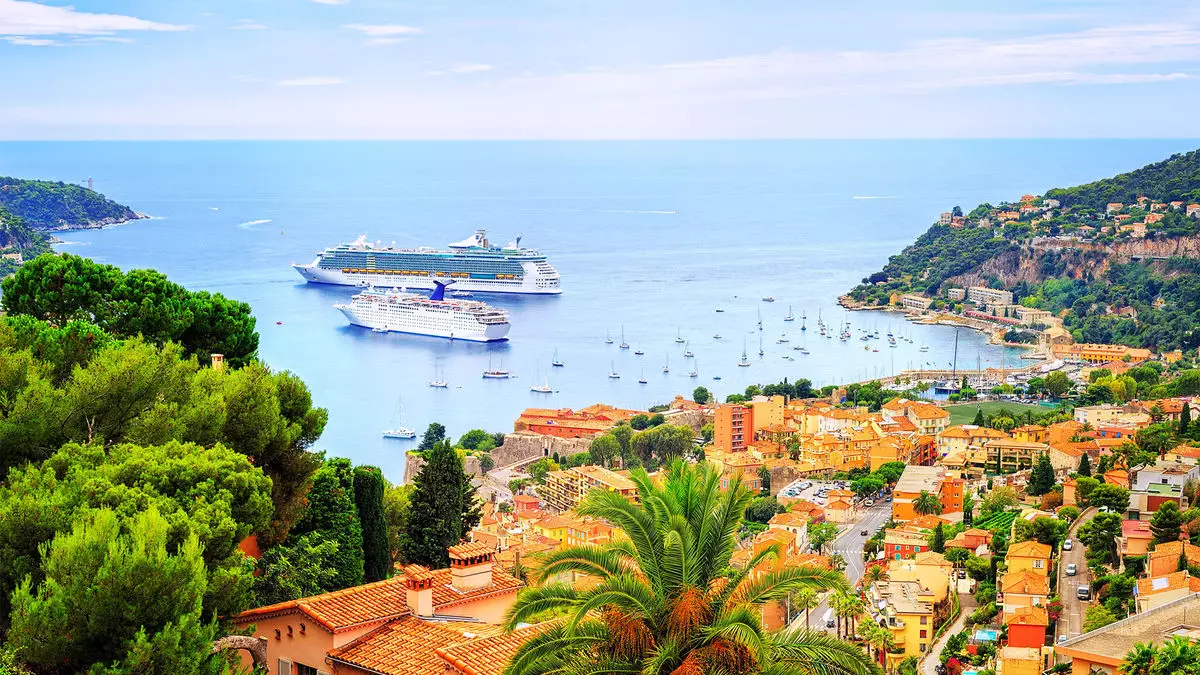
In recent years, the human inclination for adventure and exploration has propelled the cruise industry to unprecedented heights. However, this growth has not come without its pitfalls. As various popular tourist destinations face the ramifications of overtourism, regulatory bodies are beginning to respond with stringent measures designed to protect their locales and residents. The Nice-Côte d’Azur region in France exemplifies the tension between maintaining economic vitality through tourism and safeguarding cultural and environmental integrity. Local government officials, responding to rising concerns about everyday realities such as pollution and the degradation of community resources, have moved to implement bans on certain cruise ships—a decision met with fervent opposition from the cruise industry itself.
In January 2023, Ludovico Estrosi, the Mayor of Nice and president of the Nice-Côte d’Azur Metropolis, took a bold step by signing a decree that would prevent cruise ships carrying more than 900 guests from docking at the ports of Nice and Villefranche-sur-Mer. This decree, effective from July 1, is emblematic of a growing movement among European destinations to impose restrictions on cruise passenger influx in the face of mounting pressure to adopt more sustainable tourism practices. The rhetoric used by Estrosi, specifically targeting the “low-cost clientele” who “consume nothing but leave their waste behind,” emphasizes a significant shift in how tourism is perceived and managed.
The impact of such a decree is profound, potentially jeopardizing over $10 million in local revenue and more than $600 million regionally, according to industry analysts. Organizations such as the Cruise Lines International Association (CLIA) have emerged in defense of the cruise industry, pushing for an assessment of the economic consequences that such regulatory measures could bring. The sector is marked by its significance; places like Nice not only serve as attractive stops for cruising itineraries but also as turnaround ports due to their proximity to key air travel hubs. Major cruise lines, including Celebrity Cruises, Holland America Line, and Royal Caribbean, all rely on these bustling ports to draw travelers from around the world, significantly benefiting local economies.
While the decision is undoubtedly contentious, it might also pave the way for a transformation in the travel experience itself. With larger ships prohibited from visiting, cruise lines may pivot toward smaller, more sustainable vessels that promise a more intimate, less crowded travel experience. Travel industry professionals have pointed out that this shift might usher in an increase in advanced bookings and greater demand for unique experiences offered by smaller operators.
Ponant, for instance, has already seized the opportunity to announce a new seven-day itinerary departing from Nice, signaling a proactive approach to adapt to the changing environment. As cruise lines navigate these tumultuous waters, the prospect of evolving consumer preferences may illuminate pathways toward a more sustainable model of cruise tourism, mitigating the congestion often associated with larger vessels even at the cost of some economic throughput.
Cruise lines, recognizing the pivotal nature of adapting to these shifting regulations, are examining their operational strategies to navigate the industry’s new reality. Companies like Oceania, which operates several ships that exceed the new limit, face challenging decisions regarding their itineraries. The intense scrutiny on popular ports has triggered a renaissance in route planning, with lines exploring less crowded harbors and alternative locations that can provide a rich and fulfilling experience while adhering to emerging regulations.
The sentiment shared by industry veterans reflects a broader acknowledgment of the need for sustainable tourism practices. Companies are increasingly aware of the perils of ignoring overtourism and are using this challenge as an opportunity to foster industry innovation that prioritizes responsible travel, community involvement, and environmental stewardship.
As we look to the future of cruise tourism in Europe and beyond, it becomes evident that the dialogue surrounding sustainability and overtourism will continue to gain momentum. Should regulatory bodies like those in Nice implement further restrictions, the entire industry may be compelled to adapt more rapidly to a new paradigm where economic success must harmonize with ecological responsibility.
The tension between economic interests and environmental concerns presents challenges, but it also opens avenues for innovative solutions. By engaging collaboratively with local communities, cruise lines can explore pathways that ensure both tourism flourishes and cultural heritage remains preserved. This journey toward sustainable tourism may ultimately redefine what it means to explore the world’s wonders without compromising the integrity of the very places we cherish.

- Best Travel Destinations In November - March 8, 2026
- How Far Can A Tsunami Travel - March 8, 2026
- Bible Verses For Safe Travel - March 8, 2026
Leave a Reply