

Crossing an entire ocean by boat isn’t just an epic adventure; it’s a major test of your boat’s stability and your own skills as a sailor. There are plenty of challenges you need to think about, from unpredictable weather to the simple fact that you’ll be far from rescue or quick supplies. If you’re curious about what kind of boat offers the best stability for a serious cross-ocean trip, I’m here to break things down to help you make a smart choice.
Key Qualities of a Stable Ocean-Crossing Boat
Ocean crossings put every part of a boat to the test, but stability might be the one feature that makes or breaks the trip. I’ve learned that when talking “stability,” it means two related but different things:
- Initial stability: How steady the boat feels when you’re standing at the dock or in calm waters.
- Ultimate stability (self-righting): The ability to handle being tipped way over by storms, then coming back upright without trouble.
A boat built for long voyages needs both; nobody wants to feel like they’re going to tip out of their bunk in every swell, but surviving a rogue wave is even more important. The design, weight distribution, hull shape, and ballast all play a part in this.
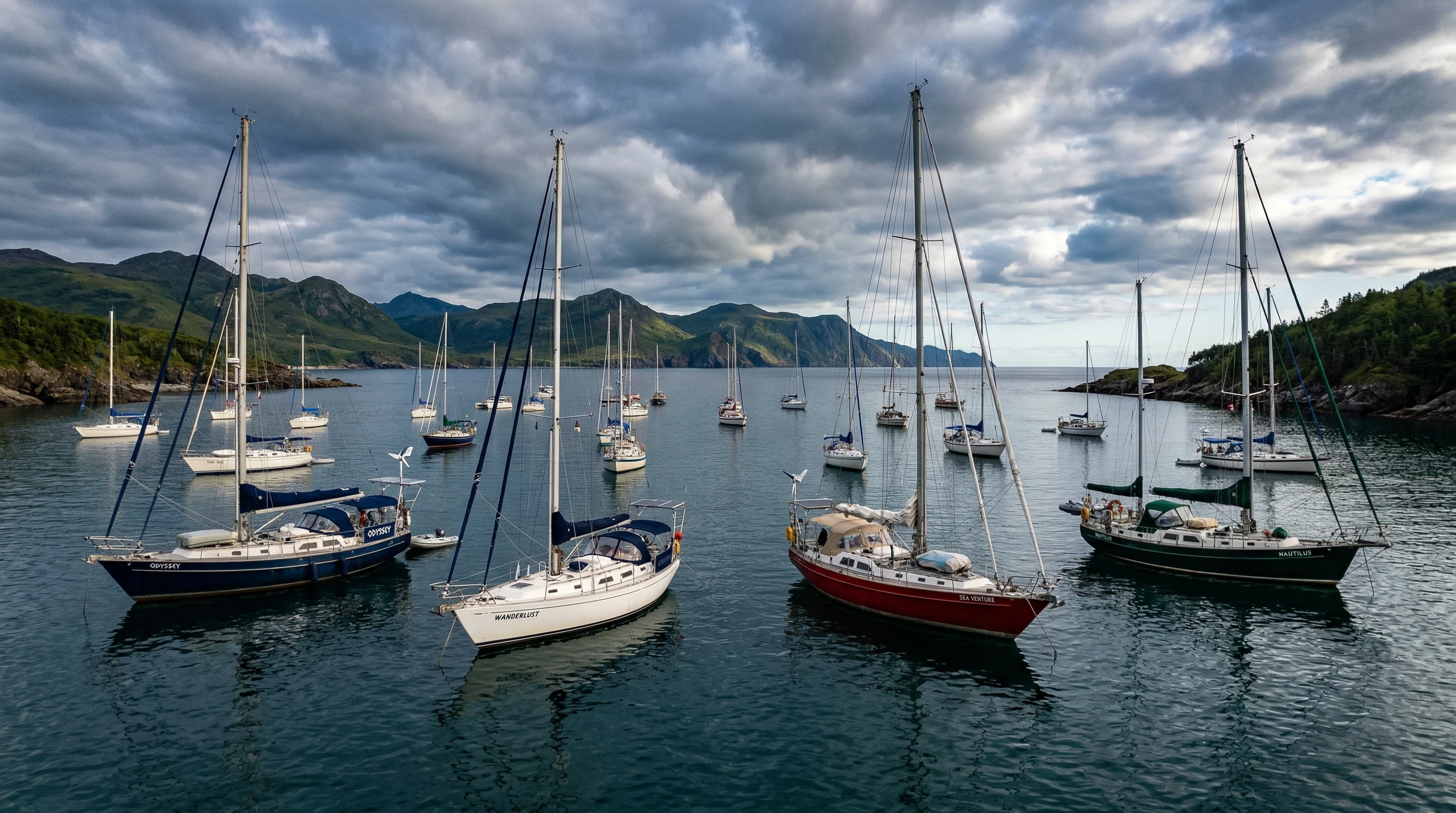
Types of Boats Built for the Open Ocean
Picking the most stable boat for an ocean passage usually comes down to two main categories: monohulls and multihulls. Each has perks, and limits, when it comes to ocean stability and comfort.
Monohulls
Traditional ocean-crossers are monohull sailboats. The deeper the keel and the heavier the ballast, the better their long-term stability and their chance of righting themselves if knocked down by huge waves. Monohulls offer single-hull designs which have stood the test of time, and many seasoned sailors pick them for the kind of all-in-one durability required to ride out unpredictable ocean conditions.
- Full keel designs: These boats have a keel that stretches along much of the hull. It adds a lot of tracking and stability, which is why you see models like the Hallberg-Rassy, Pacific Seacraft, and older Hans Christians out there crossing oceans.
- Modern fin keel designs: More recent models might use a shorter keel with a heavier bulb to provide serious righting force without the drag of a full keel.
Multihulls (Catamarans and Trimarans)
Catamarans and trimarans have grown in popularity for their space, speed, and initial stability; they hardly heel at all in most seas.
- Catamarans: Their two-hull design means a wide beam and steady ride in light to moderate seas, which is awesome for comfort. The downside is that if a catamaran flips in bad weather, it rarely rights itself unlike a monohull.
- Trimarans: These have a bit more “give” with a central hull plus two outriggers, making them stable while still sailing upwind well.
Multihulls tend to provide more living space and comfort, but as you gain speed, you trade off some ultimate stability for that initial steadiness.
Features That Add to Stability at Sea
Certain boat features make long crossings much more comfortable and a lot safer. Understanding these features can help you track down a model that matches your needs while ensuring the smoothest ride possible:
- Heavy Displacement: Heavier boats ride better through waves and aren’t thrown around as much by strong winds or rough seas, which results in less seasickness and easier sleep.
- Ballasted Keel: Look for a boat with a significant proportion of its weight down low, like a deep lead keel. This helps the boat stand back up if it heels (tips) too far and keeps it from rolling excessively.
- Deep Draft: Deeper keels improve tracking and stability, but watch for the tradeoff: they can’t get into shallow anchorages as easily.
- Low Center of Gravity: Weight carried lower in the hull, or with water tanks and engine placement low down, makes for less rolling and a more forgiving motion.
- Hard Chines or Rounded Hulls: Hull shape matters. A rounded hull offers smooth sailing but can roll more slowly, while hard chines (a flat spot along the hull) can add some snap and resist rolling.
Additional factors like robust construction material, deck hardware placement, and strong rigging also play into a boat’s ability to remain stable across thousands of nautical miles.
Top Boat Models Known for Ocean Stability
Certain models keep coming up when sailors swap sea stories about reliable, steady rides on long passages. Here are a few worth checking out if you’re planning bluewater adventures:
- Hallberg-Rassy 42 – Swedish-built, famously strong, with a center cockpit for security and an easy motion in heavy going.
- Pacific Seacraft 37 – Made with quality fiberglass layup and a full keel, this boat has crossed just about every ocean around.
- Amel Super Maramu – French design with a ketch rig known for its forgiving ride and super practical layout for liveaboards.
- Fountaine Pajot Saona 47 (catamaran) – Popular among families doing ocean crossings, offering a super steady platform with tons of space.
- Outremer 51 (performance catamaran) – Light, fast, and stable, but best for more experienced sailors who can handle speed and weather judgment.
These aren’t the only good options, but they have a track record of getting people across oceans safely. There are also custom and one-off builds by respected naval architects that boast similar credentials for ocean crossings.
Essential Steps When Getting Ready for Ocean Crossings
- Check Your Boat’s Condition: Get a full inspection by a marine surveyor who knows bluewater boats. Stability relies on more than design. The rig, hull, and core structures all need to be solid to withstand the ocean’s challenges.
- Stock Up on Safety Gear: Bring a life raft, EPIRB, personal locator beacons, and storm sails. Even the sturdiest boat can have problems, so prepping for emergencies is super important.
- Understand Loading: Overloading your boat or packing heavy gear up high will ruin even the best stability. Keep weight low and spread out, and store the heaviest items near the keel to keep your center of gravity down.
- Know Your Weather Routing: Learning to read weather and plan routes minimizes time in rough seas. Modern apps and satellite tools are pretty handy for this, providing up-to-date forecasts and route suggestions.
- Brush Up on Heavy Weather Tactics: Practicing with drogues, sea anchors, and reefing systems will help keep control when things get real out there.
Additionally, it’s smart to run man-overboard and abandon-ship drills, as well as to learn about diesel mechanics and electrical troubleshooting—you want to be as self-sufficient as you can during open-ocean passages.
Things Worth Thinking About Before Setting Off
- Capsize Ratio: This number helps compare how stable different boats feel versus how easily they might flip in a worst-case storm. Lower numbers are better for bluewater.
- Comfort Ratio: This takes into account how the boat’s weight and shape affect motion through the waves. Lower, heavier boats usually win here.
- Self-Steering Gear: Long-distance sailors swear by wind vanes or powerful autopilots. A stable boat working with self-steering means you’re not hand-steering for hours or days at a time, so you can rest and focus on other shipboard duties.
- Ability to Reef (reduce sail): Quick, safe ways to shrink your sail area matter when you need to keep the boat balanced in tough weather, and keep stress off the rig and crew.
Capsize Ratio Explained
A well-designed offshore boat usually has a capsize screening value under 2.0. You can find calculators online to run the numbers for any model. This isn’t a guarantee of safety, but it’s a pretty solid starting point for your research and for comparing different designs.
Comfort Ratio Insights
Comfort ratio looks at how heavy and how beamy (wide) a boat is, with heavier boats generally providing a gentler up-and-down motion, especially in head seas. If you’re prone to seasickness or appreciate a smooth ride, this is really important to consider.
Advanced Tips and Insights from Experienced Sailors
After lots of reading, sailing, and hanging out in harbors, here’s what I keep hearing from ocean-going veterans:
Stay Flexible with Route Planning: Even a stable boat can get beaten up if you pick a poor weather window. Being patient pays off and often makes for smoother sailing.
Spend Time at Sea Before Setting Out: Giving yourself a few weeklong shakedown cruises in a range of conditions gets both you and your boat dialed in. Shakedown sails reveal weaknesses and give you a real feeling for your boat’s motion and systems.
Join Bluewater Cruising Groups: There are online forums like CruisersForum and groups on Facebook where folks share real-life experience, updates on favorite routes, gear recommendations, and advice on stability mods.
Research Local Regulations: Certain countries or crossing zones may require extra documentation or specific safety gear, so it’s worth checking in with authorities before setting off on your trip.
Common Questions About Stable Ocean Boats
What’s safer: monohull or catamaran for ocean crossings?
Both can be safe with proper prep. Monohulls self-right better, which is important if you’re caught in a capsize situation, while catamarans are less likely to capsize but can’t right themselves if flipped. Many families prefer cats for comfort, but experienced crews are usually comfortable with both.
How big should my boat be for a safe crossing?
Most people crossing oceans are in the 35-50 foot range. Smaller boats can make it with good prep, but you want enough length and weight for steady motion and storage.
Is a heavy or light boat better for crossing oceans?
Heavier boats tend to be more stable and comfortable in big seas, but lighter boats (especially light displacement racing designs) can be faster. For most cruisers, a moderate to heavy displacement boat is the sweet spot for stability.
Quick Checklist: Prepping for a Stable and Safe Crossing
- Inspect hull, rigging, and steering systems
- Review ballast and keel design for secure righting moment
- Stow gear low and spread out weight
- Test self-steering gear in rough weather
- Research capsize and comfort ratios
- Join virtual or real-world bluewater groups for advice
Picking a stable boat for ocean crossings is all about smart design, careful prep, and knowing your own preferences for comfort versus speed. With the right setup, you’ll have a safer, more enjoyable ride across the big blue. Remember, preparation and knowledge are just as important as the boat you pick. Happy sailing!

- Best Travel Destinations In November - March 8, 2026
- How Far Can A Tsunami Travel - March 8, 2026
- Bible Verses For Safe Travel - March 8, 2026
Leave a Reply