
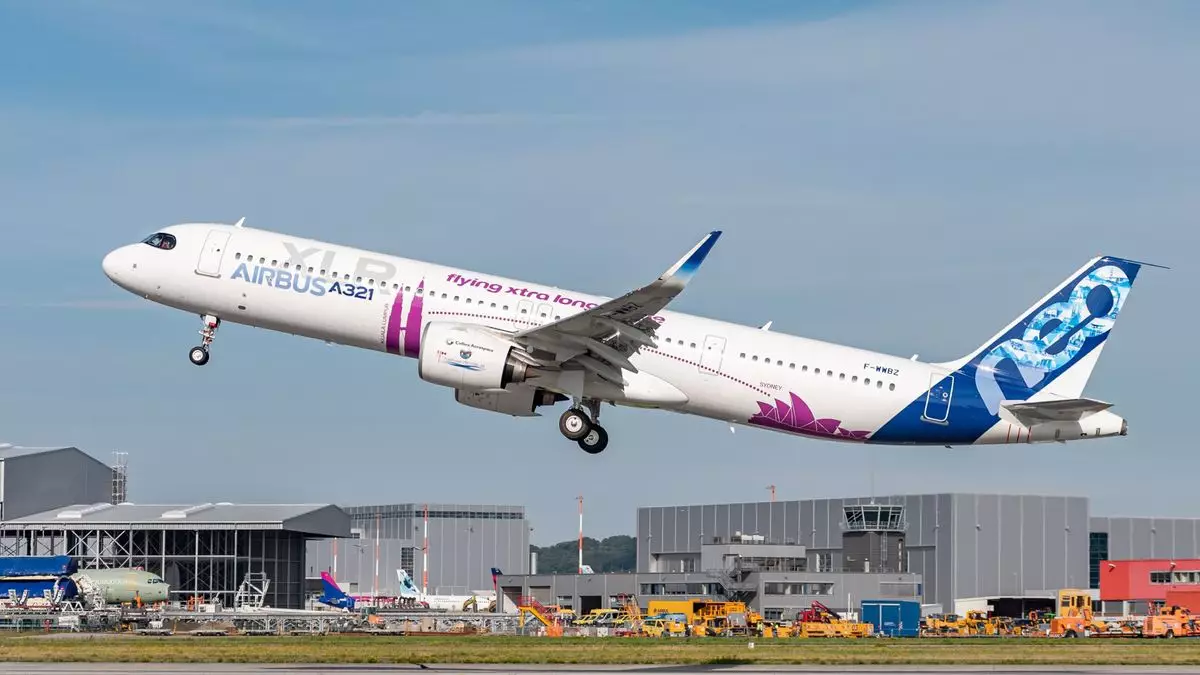
In the aviation industry, a daunting backlog of over 17,000 commercial aircraft orders has emerged, presenting a scenario that raises more questions than answers. The International Air Transport Association (IATA) highlights that this backlog equates to a staggering 14-year wait at current production levels, casting a shadow over the industry’s growth prospects. The average aircraft age has crept up from 13 to 15 years since 2015, emphasizing how dependent airlines are on timely deliveries in an era marked by heightened consumer demand. With critical supply chain issues influencing production rates, the situation has become a double-edged sword for airlines navigating a rapidly evolving market.
The Effects of Delays on the Industry’s Growth
As the industry grapples with this backlog, the implications are profound. Suppliers and manufacturers, particularly Boeing and Airbus, forecasted 1,430 deliveries this year, yet by April, only 359 planes had reached their destinations. Nick Careen from IATA encapsulates the uncertainty, asserting that predicting an aircraft delivery date is akin to venturing into guesswork. The inability to meet demand has substantial repercussions: not only does it stagnate fleet expansion, but it also pushes the average fleet age higher, which can negatively impact operational efficiency and customer satisfaction.
Furthermore, IATA’s concerns lead to contemplation about the underlying complexities of the supply chain. A convergence of challenges—including skilled labor shortages and titanium sourcing issues—has prompted IATA’s director general, Willie Walsh, to call manufacturers out on their sluggish response. As the industry faces these obstacles, the urgent need for a strategic overhaul in production methods becomes apparent.
The Divergent Views on Delivery Delays
However, the perspective on these delivery delays isn’t monolithic. While IndiGo CEO Peter Elbers articulates that these setbacks represent a “missed opportunity” for airlines to meet market demand, others argue that the delays might actually be fortuitous. Steve Saxon from McKinsey posits that the slow pace of deliveries has inadvertently helped airlines protect their profitability. By limiting fleet growth, airlines are boosting their yield per available seat mile, effectively allowing them to navigate a volatile economic landscape without overextending themselves.
Indeed, the airline industry experienced a significant net profit of $32.4 billion last year, as noted by IATA, and this indicates that there may be hidden advantages in the constraints posed by the backlog. The slow delivery pipeline, as Walsh acknowledges, carries a silver lining that merits recognition. Airlines may need to adapt to this new normal and leverage the opportunities that arise from their constrained growth, rather than merely view the delays as detriments.
Rethinking Strategies Amidst Industry Challenges
This evolving narrative urges industry stakeholders to reassess their strategies. As reliance on timely aircraft deliveries wanes, airlines may need to focus on optimizing their existing fleets, enhancing operational efficiency, and adapting to fluctuating consumer demands. In doing so, they can not only navigate the current tumultuous landscape but potentially emerge stronger once the backlog issues are resolved.
Looking ahead, it’s essential for manufacturers and airlines to collaborate effectively to address these challenges. While the backlog presents a significant hurdle, it also necessitates innovative thinking and a willingness to adapt to unforeseen circumstances. As the aviation sector continues to reinvent itself in the face of adversity, the lessons learned during this pivotal phase may pave the way for sustainable growth in the long run.

- Best Travel Destinations In November - March 8, 2026
- How Far Can A Tsunami Travel - March 8, 2026
- Bible Verses For Safe Travel - March 8, 2026
Leave a Reply