

Tsunamis are some of the most powerful natural events on Earth. If you’re curious about how far a tsunami can travel, you’re not alone. Here, I’m answering the most common questions about tsunami travel, energy, and their impacts worldwide. If you have more questions after reading, trusted organizations like the U.S. National Weather Service Tsunami Program offer detailed resources. Let’s get into the details and clarify exactly how tsunamis travel such immense distances and why preparedness matters.
Understanding Tsunamis and Their Reach
What is a tsunami?
A tsunami is a series of ocean waves caused by big shifts in the sea floor, usually from earthquakes. Other causes include volcanic activity, landslides, or even meteorite impacts. Unlike regular ocean waves, tsunamis carry their energy through the water from the seabed to the surface, letting them move across entire oceans.
How far can a tsunami actually travel?
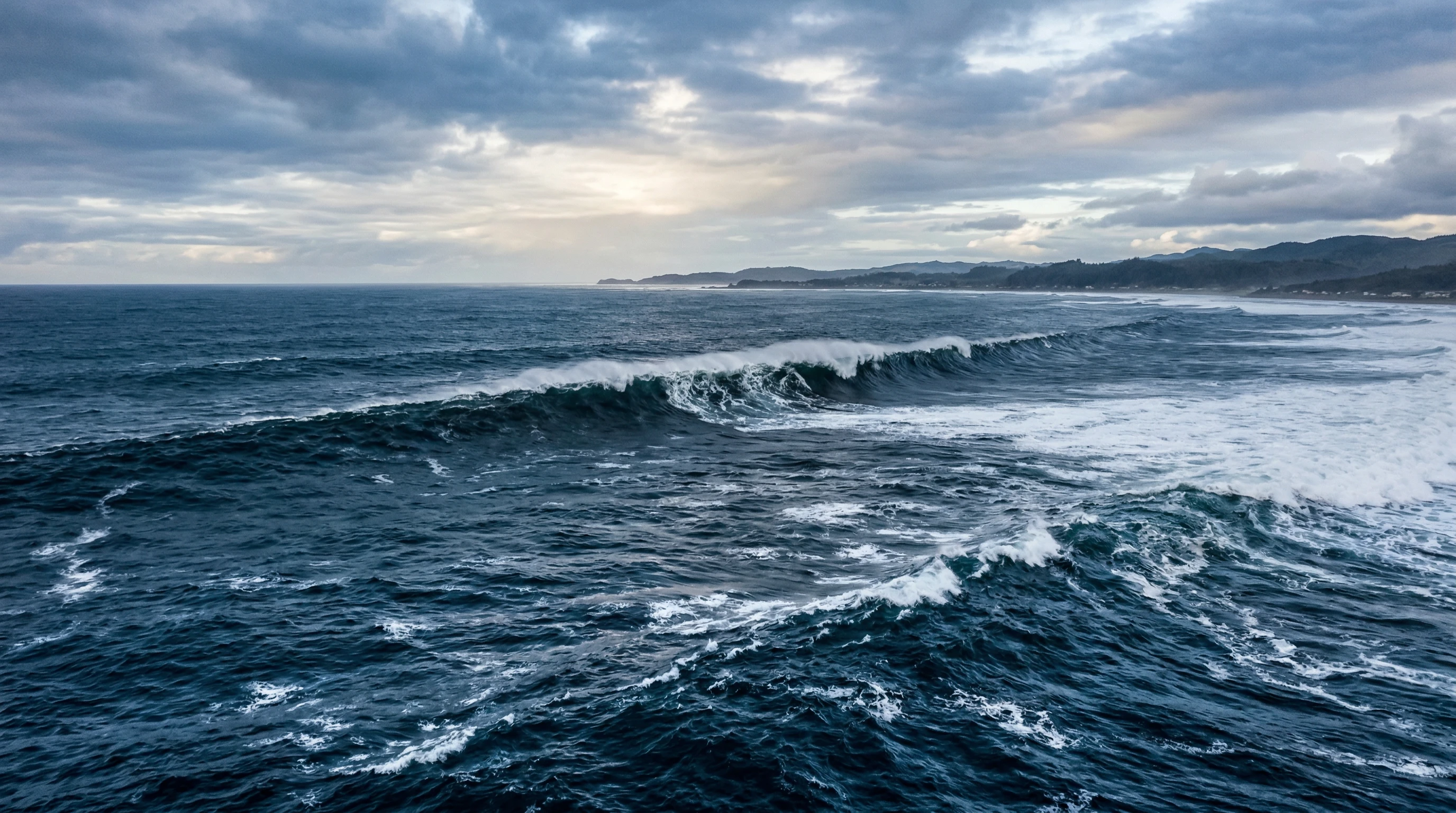
Tsunamis can travel thousands of miles or kilometers from where they start. In open water, the waves might cross entire ocean basins without losing much strength. For instance, after the 2004 Indian Ocean tsunami, waves reached the coastlines of Africa, over 5,000 miles from the original earthquake in Indonesia. That event stands out as proof of just how far and impactful a tsunami can be.
What happens to a tsunami as it crosses the ocean?
When a tsunami travels through deep ocean water, the wave height is often just a few feet or even less, making it nearly invisible to ships at sea. However, the energy spreads out over a long wave, sometimes extending for hundreds of miles. As a tsunami approaches shallower coastal waters, the wave slows down and rises dramatically in height. That’s when it becomes truly dangerous for coastal communities.
Surprisingly, scientists have found that tsunamis can continue to travel around the world’s oceans with little decrease in power for many hours—or even days in some rare instances. Several historic tsunamis have made more than one trip around the globe before fading away. This global reach sets tsunamis apart from typical ocean waves.
Speed and Energy of Tsunami Waves
How fast can a tsunami go?
A tsunami can race across the ocean at speeds of 400 to 500 miles per hour (about 650 to 800 km/h). That’s as fast as a commercial jet, allowing the wave to cover huge distances quickly. For example, a tsunami starting off Japan’s coast can reach North America in less than 10 hours. Because the waves carry energy all through the water, they maintain speed and can surprise people far from their origin.
Does a tsunami lose strength as it travels?
While a tsunami’s energy spreads out as it travels, most of it stays packed into the lead waves. In large, deep oceans, that energy barely loses any strength at all. The reason lies in how the energy moves through the water column, not just on the surface like regular wind-driven waves. Barriers such as islands or underwater ridges can tone down some energy, but often not enough to stop a tsunami from reaching faraway coasts. Some smaller features might block part of the wave, but the overall effect is usually quite limited for big tsunamis.
Can a local tsunami cause damage thousands of miles away?
If the earthquake or disruption is strong enough, the tsunami can reach and impact coastlines on the other side of the ocean. The 1960 Great Chilean earthquake and tsunami sent waves all the way across the Pacific, damaging areas in Hawaii and Japan, nearly 10,000 miles from the source. That shows just how far-reaching the effects of a tsunami can be and why global awareness is critical.
Impacts on Distant Shores
How do tsunamis impact coasts far from where they start?
Even thousands of miles from the source, a tsunami can bring waves several feet high when it hits shore. The energy of these waves means they come ashore as massive surges or fast, unexpected floodwaters, not just normal waves. Even if the tsunami does not look like a towering wall of water, the flooding and strength of the current can still cause major destruction and loss of life. Debris, strong underwater currents, and secondary surges can catch people off guard long after the first wave arrives.
Are distant tsunamis less dangerous?
Distance can help reduce the wave height, especially if the tsunami travels around landforms or loses some energy. However, distant tsunamis are still highly dangerous. Coastal communities on the far side of an ocean can face strong surges, especially in bays, harbors, or along river mouths, where water can funnel and crank up the waves. Always listen for tsunami alerts, even if the earthquake happened far away, because dangers can persist for hours—or longer—as new waves arrive.
Warnings and Preparedness
How do scientists know how far a tsunami will go?
Scientists use models and global seismic sensors to estimate a tsunami’s speed, direction, and possible impact. Special sensors, like the DART buoy system, watch for changes in ocean pressure to spot tsunami waves in real time. Using this approach, they send out warnings hours before waves reach distant coasts. The better the sensor networks and modeling get, the more precise and earlier these warnings can be.
What should I do if there’s a distant earthquake and tsunami warning?
If a tsunami warning is issued—even if the earthquake happened far away—it’s crucial to follow expert advice. Go to higher ground right away and stay tuned to official announcements from local authorities. Many times, waves will hit more than once over several hours, so you shouldn’t return to the shore until it has been officially declared safe. Being alert and following instructions can save lives, including your own.
Still Interested in Tsunamis?
If there’s something I haven’t gone over here, I recommend checking out resources from the National Tsunami Warning Center or your local weather agency. Tsunamis are super complex, and knowing how far and how fast they travel makes it easier to get prepared and help protect your community. Stay curious and keep learning—staying informed is the best defense against natural hazards like tsunamis.

- Best Travel Destinations In November - March 8, 2026
- How Far Can A Tsunami Travel - March 8, 2026
- Bible Verses For Safe Travel - March 8, 2026
Leave a Reply