

Planning a trip to Peru comes with a lot of excitement, especially with epic places like Machu Picchu, the Amazon Rainforest, and bustling cities like Lima waiting for you. Getting your Peru travel itinerary right goes a long way in making sure you squeeze the most out of your adventure without feeling rushed or overwhelmed. I’m sharing an all-in-one Peru itinerary that balances popular highlights with a few hidden gems. Whether you have one week or two, these recommendations help you enjoy Peru’s rich culture, eye-catching landscapes, and amazing food.
Building Your Peru Itinerary: Where to Begin?
Peru is packed with all kinds of sights and experiences. Ancient ruins, worldclass food, rugged mountains, and lush jungle are just a few things that make it special. Figuring out where to start can feel like a big puzzle, especially if it’s your first time in South America. Most travelers kick things off in Lima since it’s the main international hub. From there, you can branch out depending on how much time you have and what you most want to see.
I always recommend mixing both the Andes and the Amazon for anyone wanting the full Peruvian vibe. Lima, Cusco, Sacred Valley, and Machu Picchu typically make up the core of an itinerary, but there’s more to check out if your schedule allows.
Sample 10-Day Peru Itinerary
Ten days in Peru gives you enough time to hit the highlights without spending every minute on a bus or plane. Here’s a handy breakdown I’ve used for my trips and for planning travel for friends:
- Day 1-2: Lima. Arrive, taste some of the best food in South America, and stroll through neighborhoods like Miraflores and Barranco.
- Day 3: Flight to Cusco. Get acclimated to the altitude, explore ancient plazas, and check out the local markets.
- Day 4: Sacred Valley. Visit Pisac, Ollantaytambo, and maybe a local weaving village. The scenery alone is worth the drive.
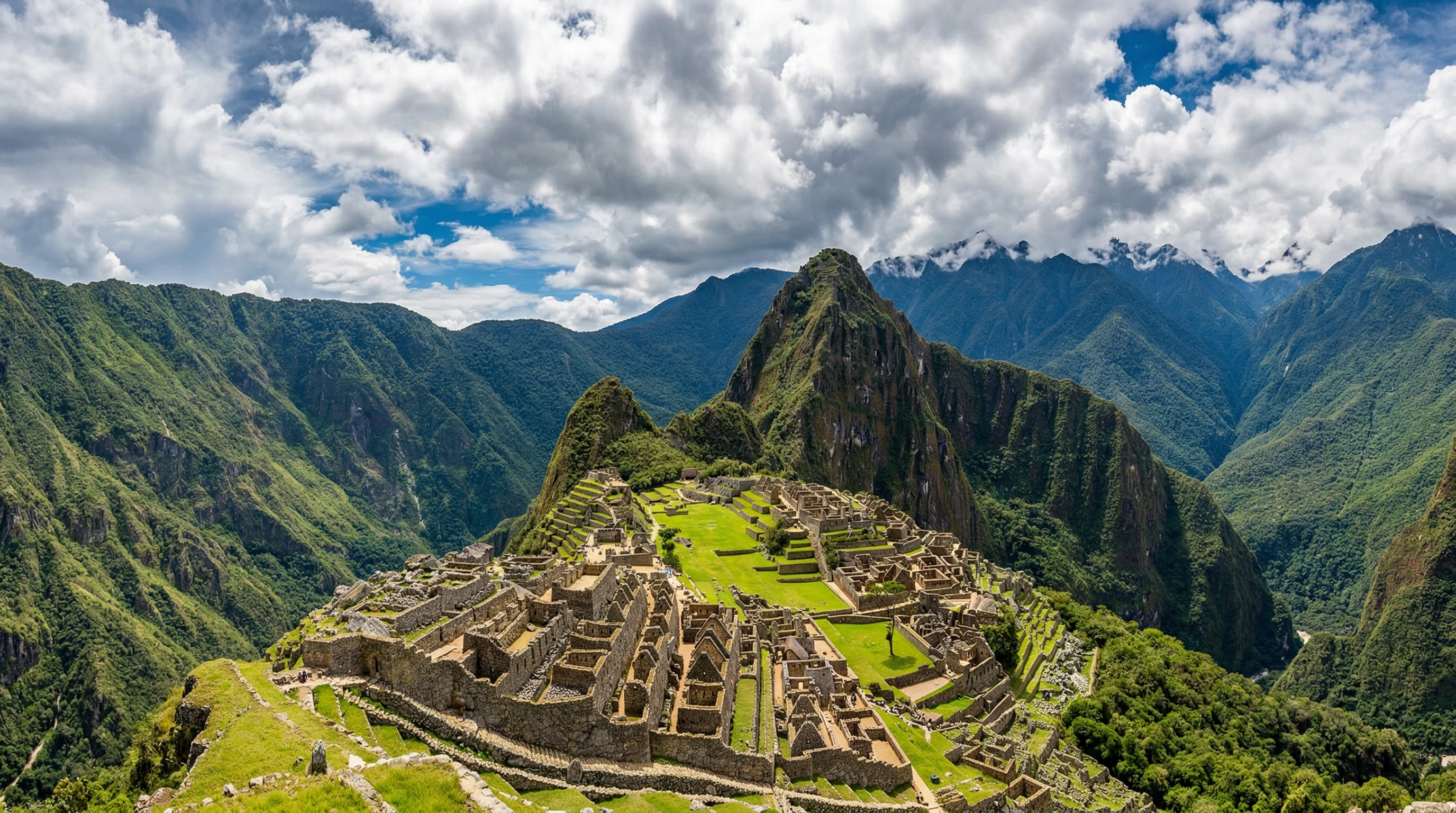
- Day 5-6: Machu Picchu. Take the train to Aguas Calientes and spend a full day at Machu Picchu. Stay overnight for a sunrise experience. It’s worth it.
- Day 7: Return to Cusco. Have an easy day, maybe take a cooking class or relax at a local café.
- Day 8-9: Amazon Rainforest. Book a short flight from Cusco to Puerto Maldonado and stay in an ecolodge. Guided jungle walks and boat rides make this part unforgettable.
- Day 10: Back to Lima. Fly to Lima for your flight home or a final taste of ceviche.
This route covers the classics, offers some breathing room for altitude adjustment, and mixes in some adventure.
Choosing the Right Destinations in Peru
Everyone has different interests when it comes to travel. Some are all about history and culture, while others lean into wildlife and adventure. Peru caters to both. Here’s a quick rundown of top spots you might want to add or swap into your trip depending on your interests:
- Lima. Peru’s capital, famous for next-level cool restaurants and vibrant art scenes. Good spot to catch your breath before heading higher up.
- Cusco. A lively city with a blend of Incan and colonial history. Cool markets, cobblestone streets, and loads of day trips in every direction.
- Machu Picchu. The bucket-list site for most visitors; try a guided hike if you’re feeling adventurous or stick with the train and bus combo.
- Sacred Valley. A relaxing mix of scenic villages, local farms, and archeological sites with fewer crowds than the main tourist hubs.
- Lake Titicaca. Home to the famous floating islands and traditional Andean culture. Great if you’re into community-based tourism.
- Arequipa and Colca Canyon. The “White City” is full of colonial charm, and Colca Canyon gives you a chance to see spectacular condors up close.
- The Amazon. Wildlife, nature walks, and boat trips in one of the wildest places on earth. Head to Iquitos or Puerto Maldonado for access.
- Huacachina & Paracas. If you have extra time, consider a quick detour to the coast for giant sand dunes, boating, and a taste of Pisco.
Think about what excites you, and adjust stops if you want more time at the beach, in the mountains, or trekking through the jungle. Peru’s variety means you can mix in some variety to suit every traveler, and there’s truly something for all interests.
For those interested in cultural festivals, Peru’s annual events like Inti Raymi in Cusco or the Puno Week celebrations at Lake Titicaca provide opportunities to see local traditions and music up close. If you like nature, reserve a day for the Rainbow Mountain hike near Cusco or go wildlife spotting in the Ballestas Islands, which are sometimes called the “Poor Man’s Galapagos.”
Practical Tips for Traveling in Peru
A smooth Peru trip goes beyond just picking places to visit. Here’s some practical advice from my own experiences and from chatting with plenty of travelers on the road:
- Altitude Awareness. Many Peruvian highlights are way above sea level. Start slow and give yourself a day or two to adjust in Cusco instead of rushing straight off the plane toward Machu Picchu.
- Advance Tickets. High-demand sites like Machu Picchu and the Inca Trail require tickets well in advance, sometimes months before you travel, especially in peak season (June-August).
- Money. The Peruvian sol (S/.) is the currency. Some places take cards, but it’s handy to keep cash for taxis, street food, or markets. ATMs are available in most cities.
- Getting Around. Peru is big. Flights save lots of time for long distances (especially Lima-Cusco or Cusco-Puerto Maldonado). For scenic routes, quality buses and trains are an adventure themselves.
- Safety & Health. Peru feels safe for travelers, but standard stuff like watching your belongings applies. Drink bottled water (tap water is not recommended), and be careful with street food. Most of it is delicious and generally fine, just use your judgment.
Peru has reliable taxi apps in the cities, and colectivos (shared minibuses) provide budget-friendly options between towns. Learning a few Spanish phrases goes a long way for smooth communication.
Sample Packing List for Your Peru Adventure
Packing for Peru needs a bit of game plan since you’ll move between different climates and elevations. In Lima and the coast, it’s mild year-round, but as soon as you hit the Andes, temps can drop fast. Here are some things that have saved my trip more than once:
- Comfortable walking shoes or hiking boots
- Rain jacket or windbreaker
- Layers: t-shirts, warm sweater, fleece, thermal base layer
- Hat and sunglasses
- Small daypack for day trips
- Refillable water bottle
- Plug adapter (Peru uses types A and C outlets)
- Bug spray for the Amazon
- Light sleep sheet or travel towel for hostels or ecolodges
- Copy of your passport (kept separate from your actual passport)
Other useful items: travel insurance, basic first-aid kit, a Spanish phrasebook, and a camera or phone with decent storage for all those next-level cool photos. Toss in a bit of flexibility and some snacks, and you’re all set for anything Peru throws at you.
Common Challenges & How to Handle Them
Traveling in Peru is super rewarding, but like anywhere, you might run into a few bumps in the road. Here are some common challenges and how I’ve dealt with them along the way:
- Altitude Sickness. Hydrate well, avoid alcohol the first couple of days, and take it easy. Coca tea (often free at hotels) helps many people. If symptoms are rough, pharmacies in Peru sell altitude pills without a prescription.
- Weather Variability. It might be sunny in Lima but raining in Cusco, especially from November to March. Pack a poncho and keep plans flexible if you’re heading to the mountains.
- Overtourism. Famous spots like Machu Picchu can feel crowded. Visiting early in the morning or during the shoulder seasons (April-May, September-October) gives you more space to enjoy the sights.
- Language Barriers. Spanish is the main language, and in rural areas, English may not get you far. Learning a few Spanish basics helped me connect with locals and makes logistics way easier.
- Transportation Delays. Sometimes buses and flights are late. Keep a chill attitude and add buffer time to your schedule so you’re not stressed about missing connections.
On my last visit, I stumbled upon a festival in Pisac just by following the sounds of music. Having an open mind and a bit of patience can turn unexpected situations into some of your best travel stories. If you need help along the way, local Peruvians are friendly and usually happy to point you in the right direction or offer a quick tip.
Peru Travel FAQ
I get a lot of questions from friends and readers planning a Peru trip. Here are some of the most common, answered with my own travel experience:
Q: Is Peru safe for solo travelers?
A: I’ve traveled solo through Peru a couple of times and always felt comfortable. Like anywhere, staying aware of your surroundings and not flashing valuables in busy places goes a long way.
Q: What’s the best time to visit Peru?
A: For the Andes and Machu Picchu, May through September means dry weather and clear mountain views. The rainforest is accessible year-round but gets wetter from December-March.
Q: How many days do I need for Machu Picchu?
A: I recommend at least two: one for traveling to Aguas Calientes and one for exploring Machu Picchu itself, plus a night nearby if you want to catch sunrise.
Q: Should I hike the Inca Trail?
A: If you love hiking and have around four days, the Inca Trail is an awesome adventure. Spots are limited and sell out early. There are shorter or alternative treks (like Salkantay or Lares) if you want something less busy or don’t have as much time.
Travel Insights from My Time in Peru
Every time I return to Peru, I find something new to love. Maybe it’s a food dish I haven’t tried, a new hike in the Sacred Valley, or just a peaceful afternoon in Cusco’s plazas chatting with artisans. Getting off the regular tourist trail, even just a little, usually makes for more memorable moments. Whether it’s sampling street food by the sea, hiking to rainbow-colored mountains, or waking up to monkey sounds in the jungle, Peru leaves a mark that sticks with you long after you’ve gone home.

- Best Travel Destinations In November - March 8, 2026
- How Far Can A Tsunami Travel - March 8, 2026
- Bible Verses For Safe Travel - March 8, 2026
Leave a Reply